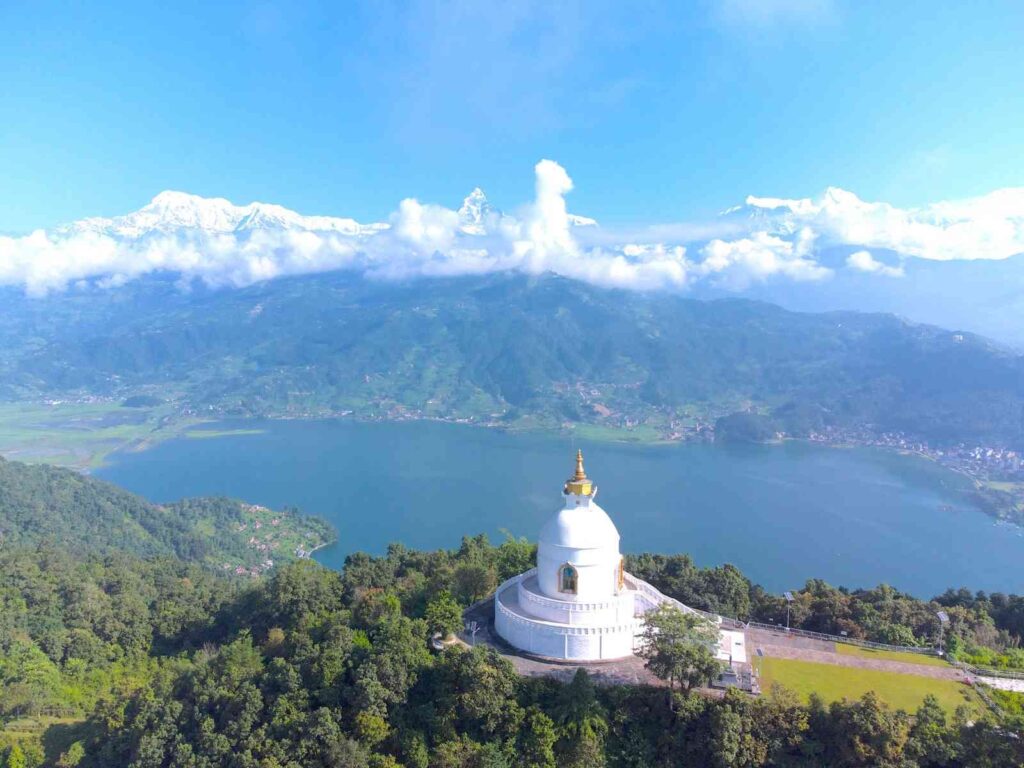
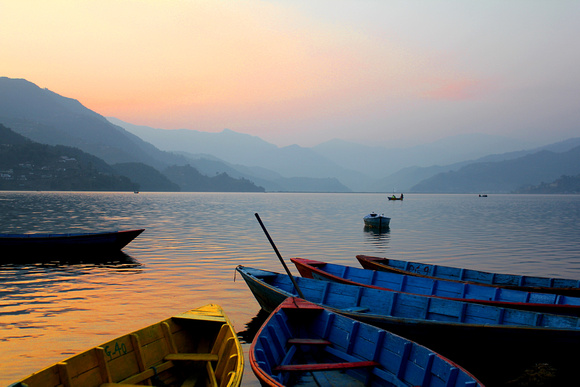
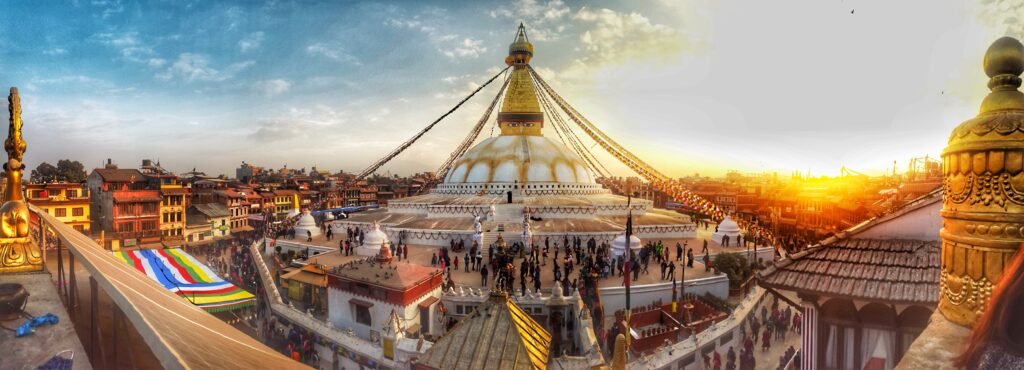
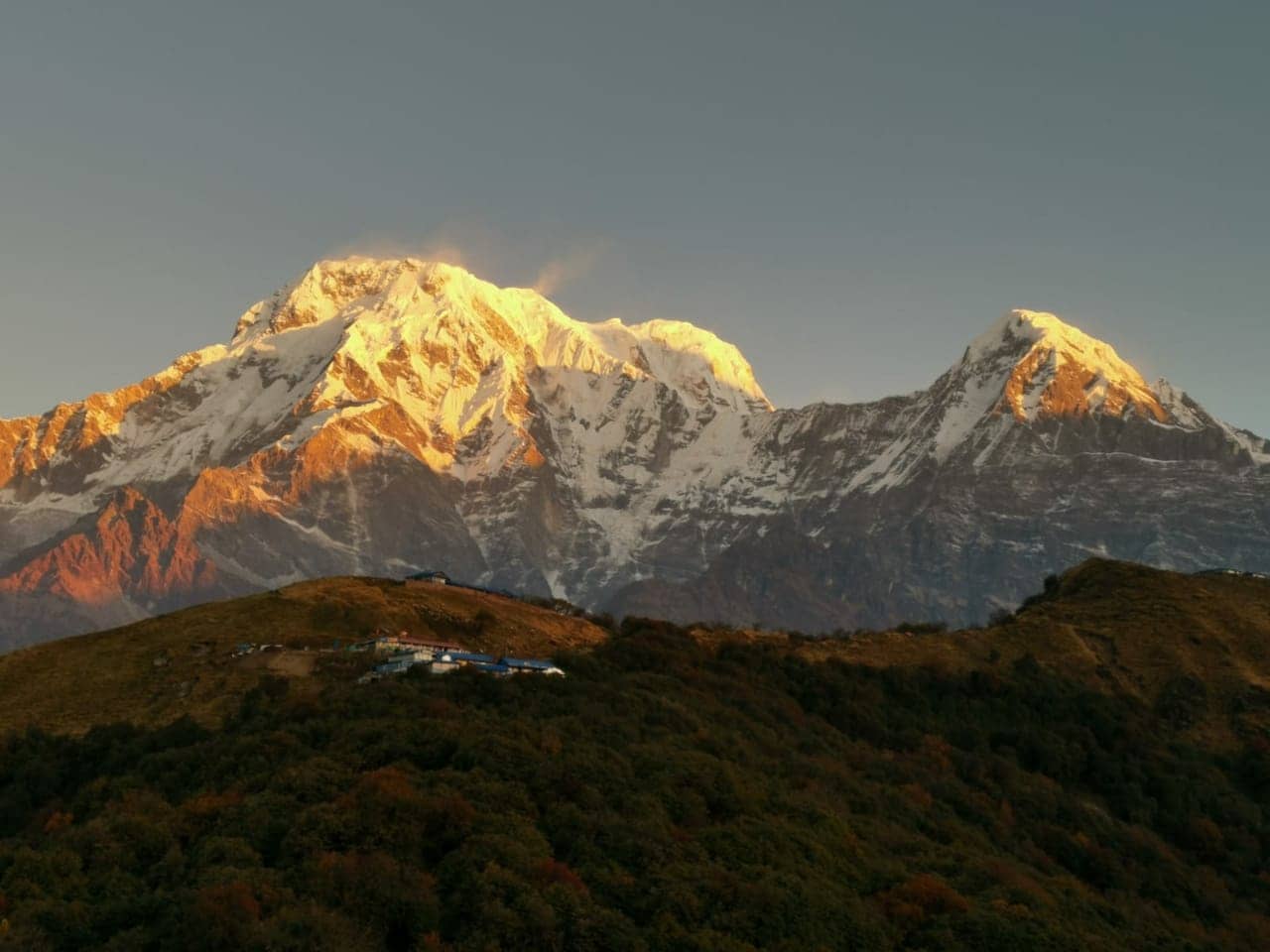
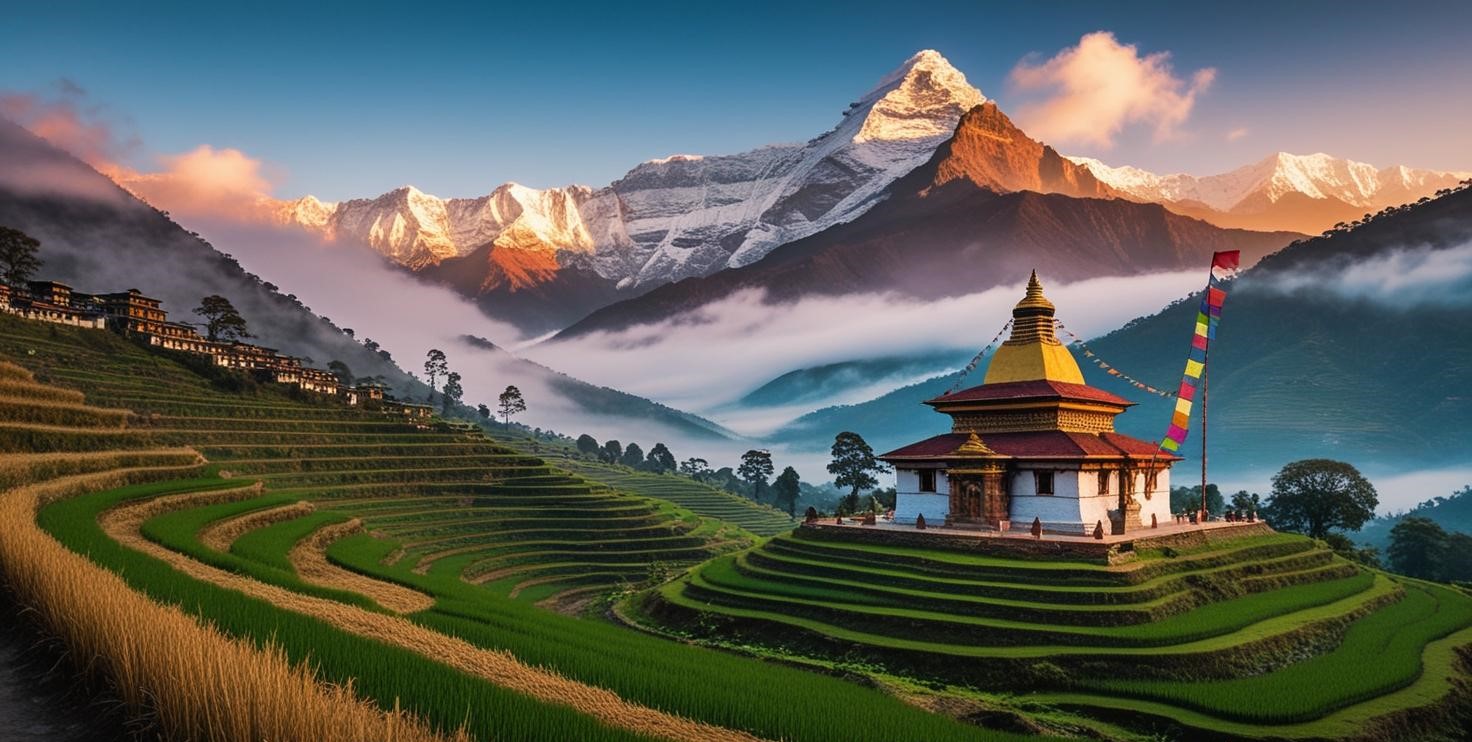
In 8 days, we can complete the Annapurna Base Camp Short Trek, which is one of Nepal’s most rewarding short treks, offering a perfect mix of mountain scenery, cultural experience, and natural beauty. This carefully designed itinerary begins with a scenic drive from Kathmandu to Pokhara, a beautiful city known for its peaceful lakes and mountain views as well as a gateway to the Annapurna region, renowned for its tranquil atmosphere and panoramic Himalayan views.
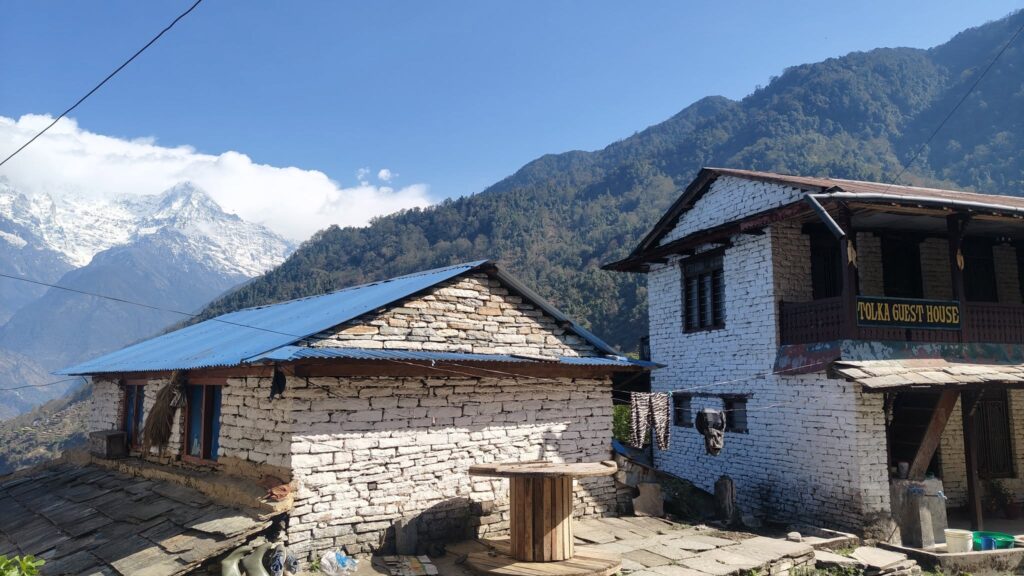
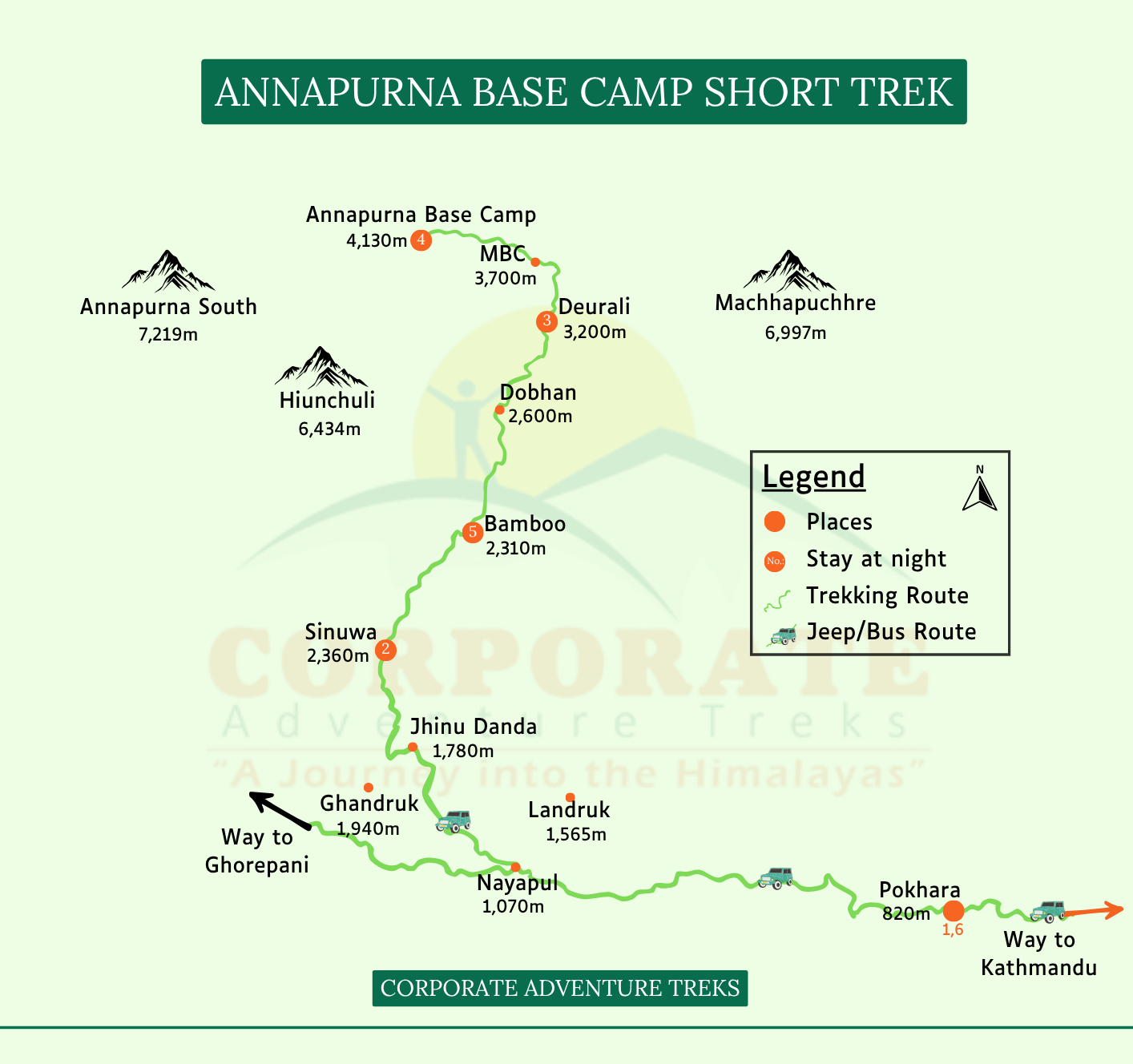
From Pokhara, continue our journey by road to Jhinu Danda, where the trekking journey starts. Jhinu Danda is known for its natural hot spring, these waters are believed to have healing properties and are a great option to relax following days of climbs and drops. The trail winds through charming Gurung and Magar villages, lush terraced farmlands, and enchanting forests of rhododendron and bamboo, offering a peaceful connection with nature at every step. Passing through scenic settlements such as Sinuwa and Deurali, the path gradually ascends, revealing ever more dramatic mountain views.
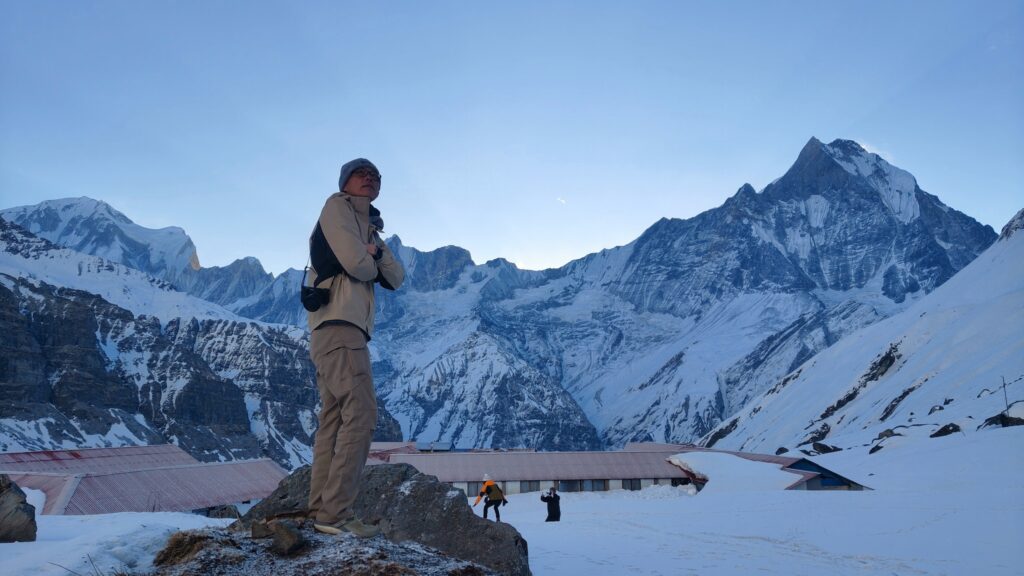
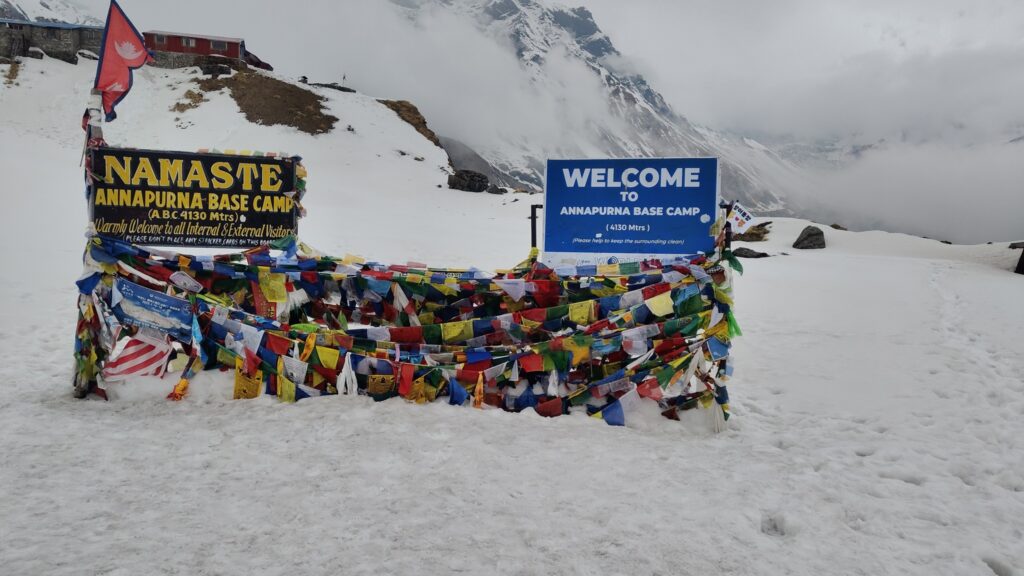
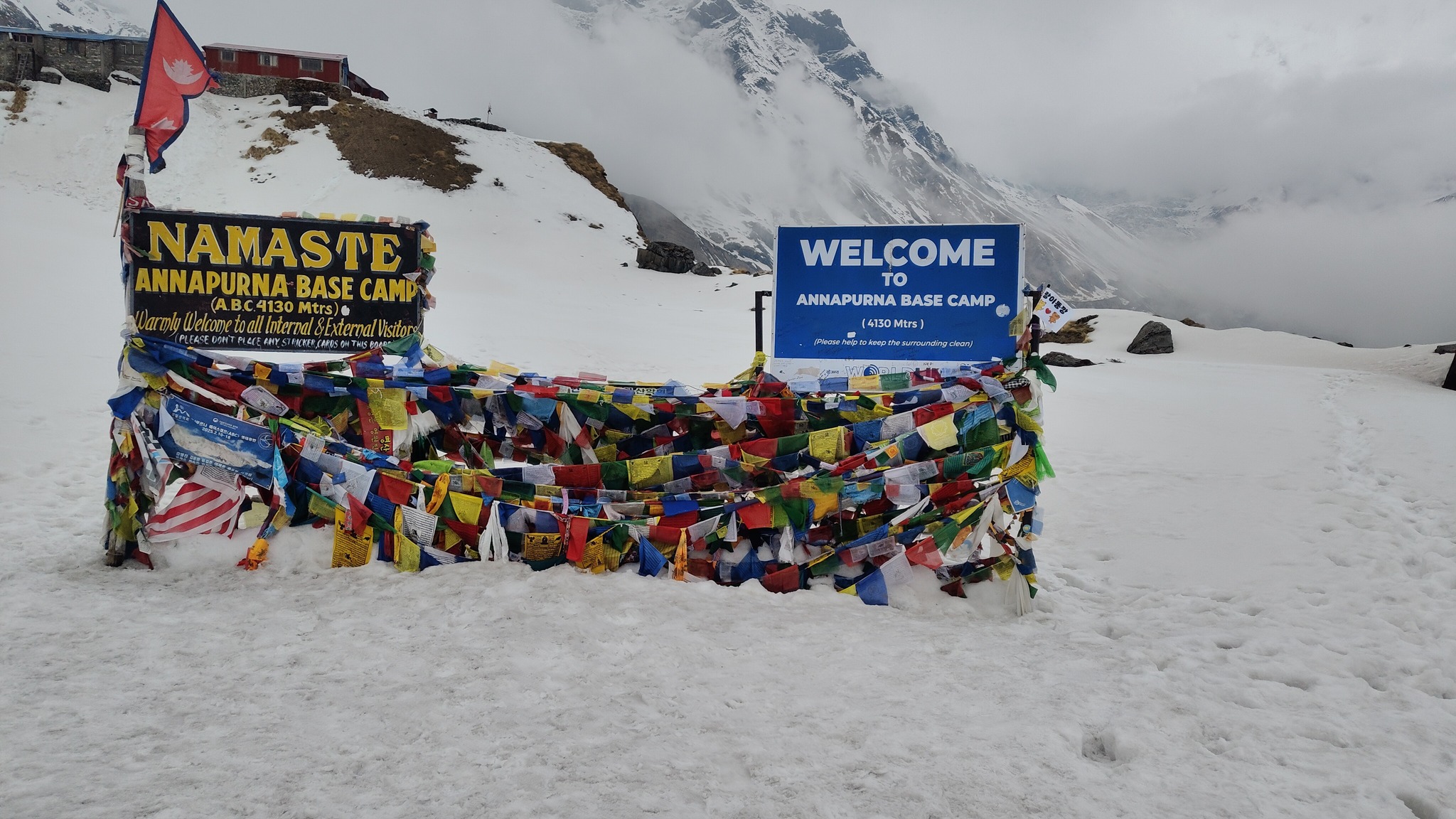
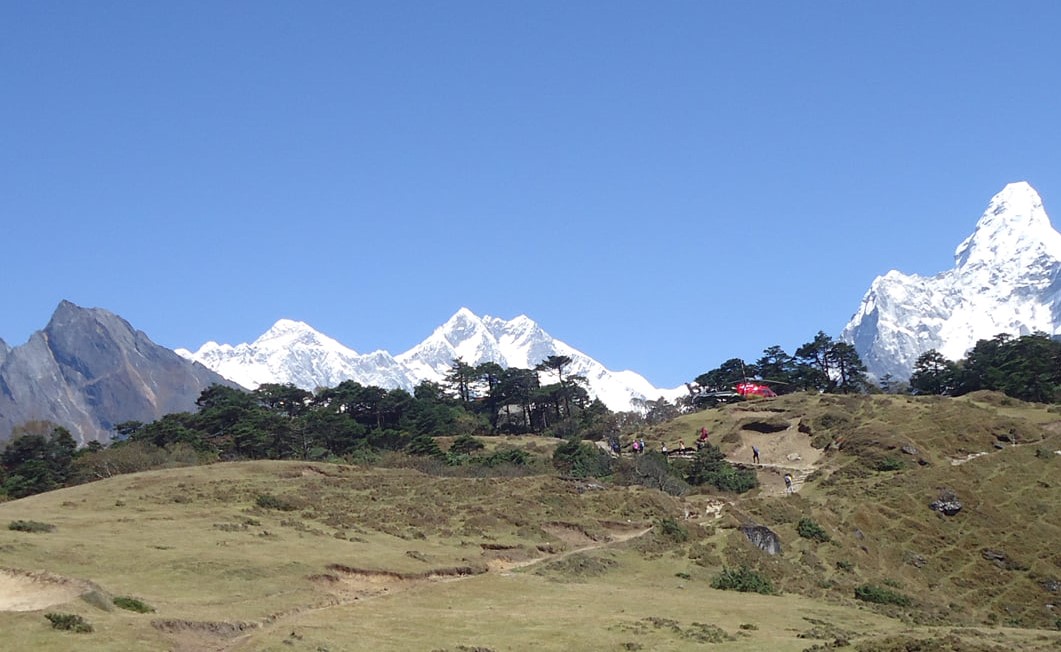
As the altitude increases, the landscape transforms into an ancient alpine sanctuary, opening up to spectacular views of iconic peaks like Hiunchuli (6,441 m), Gangapurna (7,455 m), Mt. Machhapuchhre/Fishtail (6,997 m), and the Annapurna mountains. The journey culminates at the breathtaking Annapurna Base Camp (4,130 meters), where you can see snow-covered mountains in every direction of the Annapurna Massif, like Annapurna I (8,091 m), Annapurna III (7,555 m), Mt. Annapurna South (7,219 m), and Mt. Machhapuchhre (6,997 m).
The serene beauty of sunrise and sunset from the base camp creates a truly magical and memorable moment. After enjoying this unforgettable setting, the trail descends via Bamboo and Jhinu Danda, with an optional and relaxing stop at natural hot springs, perfect for relieving tired muscles. The journey concludes with a comfortable return to Pokhara and back to Kathmandu, leaving you with lasting memories of Nepal’s Himalayan charm and hospitality.
Ultimate Annapurna Base Camp Trek – 8 Days Itinerary could be done in all the seasons, but the best season is when rhododendrons blossom along the woodland pathways in the spring, from March to May. With moderate difficulty, this trek is suitable even for beginners looking for a simple, short, and memorable adventure trek.
As one of the renowned travel companies in the country, Corporate Adventure Treks takes pride in handling all of your travel needs, including lodging, transportation, and permits. You can be sure that you will have a complete experience in terms of both natural beauty and local culture because our professional trek leaders are experts in these areas.
As always for any modification of the Annapurna Base camp short Trek, or any other Trek or Tour in Nepal please contact our specialist [WhatsApp: +9779851029803 Saroj] Team during your booking or via the quick inquiry.
| Activity | Distance (km) | Duration (hours) | Altitude (m) |
|---|---|---|---|
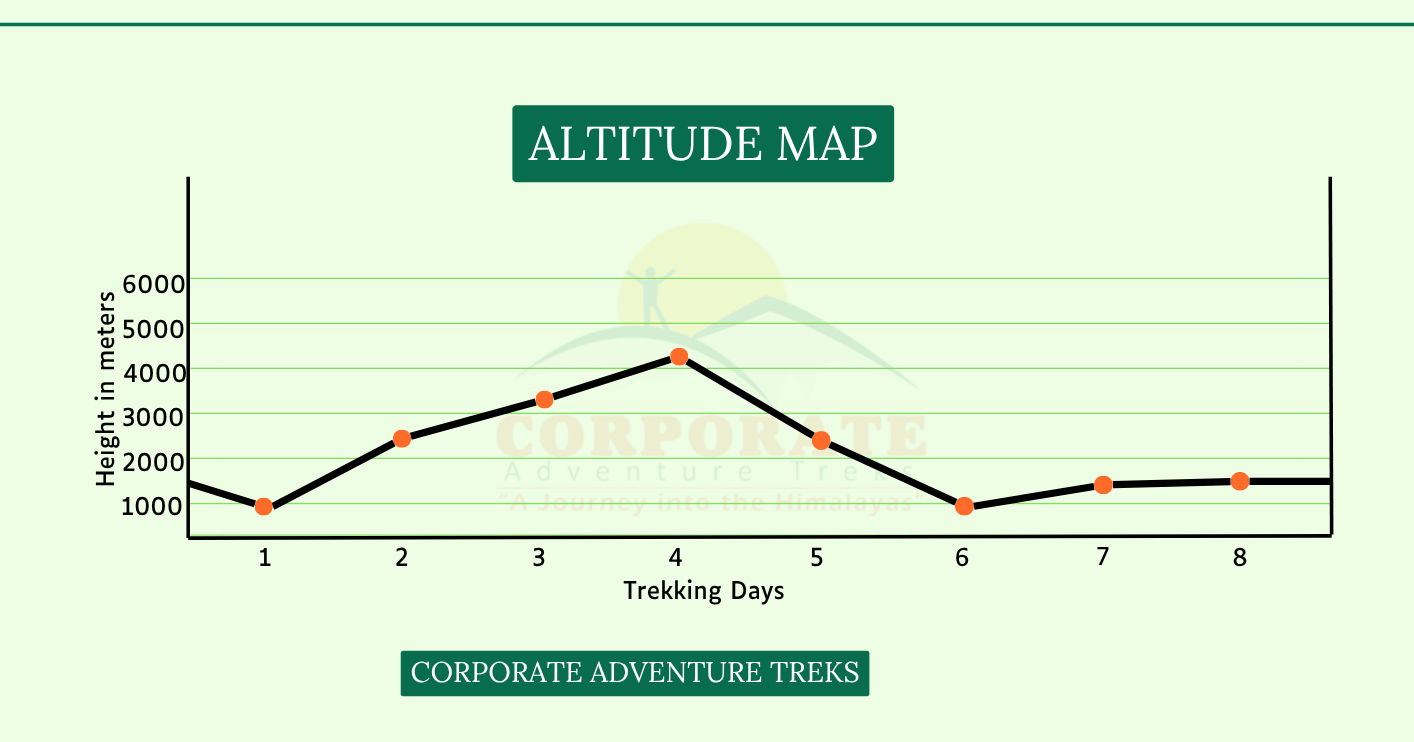
| Drive to Pokhara from Kathmandu | 200 km | 7-8 Hrs | 850 M |
| Drive to Jhinu Danda (1,780 m) and trek to Sinuwa | 60km drive | 6km Trek | 5-6 hrs | 2340 m |
| Trek from Sinuwa to Deurali | 11 km | 6-7 hrs | 3230 m |
| Trek from Deurali to Annapurna Base Camp | 4-5 km | 5-6 hrs | 4130 m |
| Trek from Annapurna Base Camp to Bamboo | 14 km | 6-7 hrs | 2300 m |
| Trek from Bamboo to Jhinu Danda and Drive back to Pokhara | 5 km Trek | 60 km Drive | 7-8 hrs | 850 m |
| Drive to Kathmandu from Pokhara | 200 km | 7-8 hours | 1350 m |
| Departure to home | 3 km | 30 minutes | 1350 km |
After breakfast, you will proceed to a scenic countryside drive to Pokhara, which is famously known as the ‘City of Lakes’ and the gateway for Annapurna Region trekkers. While you travel along the Prithvi Highway, you’ll pass through vibrant rural and traditional farmlands and hillside villages. Upon reaching Pokhara, after refreshment and a later evening if free, you can enjoy the serene beauty of Phewa Lake and experience the evening life on the lakeside street. Overnight at Pokhara.

After breakfast, we depart Pokhara for a scenic 3 to 4 hour drive to Jhinu Danda, the trailhead for the Annapurna Base Camp trek. From Jhinu to Sinuwa, you often have to descend hundreds of stone steps to cross the Chhomrong Khola (river) before climbing back up the other side. You will navigate the iconic stone paved stairs of Chhomrong village (challenging day). The final leg of the day is a steady ascent through lush rhododendron and bamboo forests to Sinuwa. Overnight at Sinuwa.

After breakfast we start our day with a trek from Sinuwa to Deurali. While we trek, you can see the natural beauty of Modi Khola Valley, where the dense bamboo and rhododendron forests gradually give way to more open, alpine landscapes. Along the way, you are rewarded with stunning views of Machhapuchhre and Annapurna South. The scenery is rocky, and the air becomes cold as you get closer to Deurali. The peaceful stop hides away between tall mountains. Overnight at Deurali.

Today we reach the highest point of the trek. After breakfast, we start trekking towards Annapurna Base Camp. Entering the Annapurna Sanctuary, you will find yourself on a high-altitude glacial surface surrounded by a panorama of giants Annapurna I, Annapurna South, Hiunchuli, and Gangapurna. Reaching the base camp is a proud and unforgettable moment, as the day ends with the peaks transforming into glowing gold during a spectacular Himalayan sunset. Overnight at Annapurna Base Camp (ABC).

The day begins with a descent after breakfast, which might not be as challenging as the ascent. The trail eventually leads to Bamboo after passing Machhapuchhre Base Camp (3,700 m), Deurali (3,230 m), the Himalaya (2,920 m), and Dobhan (2,505 m). As you follow the Modi River to Bamboo, the Himalayas provide you with a wonderful scenic trek. Overnight at Bamboo.
After breakfast, start our trek from Bamboo to Jhinu Danda through scenic forest trails and traditional landscapes. Upon reaching Jhinu Danda (Optional: Visit the natural hot springs by the river for a relaxing soak), we continue the journey with a drive to Pokhara, where the trek concludes with memories of the trek. The evening is yours to relax, shop, or stroll around the Lakeside cafes. Overnight at Pokhara.

After breakfast and hotel check-out, proceed to a scenic road trip toward Kathmandu. Upon arrival, check in to the hotel. After refreshment, you have some free time, and the evening is best for the last hour of shopping or a stroll around Thamel. and then have a special and traditional Nepali local cuisine or dinner. Overnight at Kathmandu.

After breakfast and hotel check-out, you will be transferred to the Tribhuvan International Airport in time for your departure flight. This marks the end of your journey in Nepal, carrying unforgettable memories of your trip. We appreciate you choosing Corporate Adventure Treks as your travel partner in Nepal, and we look forward to seeing you again soon for your upcoming trip to Nepal.
During our Annapurna Base camp short Trek , we can enjoy authentic Nepalese food as well the more common international cuisine (Tibetan, Continental, Italian, Indian, etc.). Breakfast and dinner will be served from the tea-houses or from a lodge menu where we spend the night whereas lunch will be served on the way to the next destination. All meals will be provided during trekking while only breakfast will be available while in Kathmandu and Pokhara. There will also be welcome and farewell dinners for guests.
We will be staying at Hotel Pokhara Batika in Pokhara or similar, and in tea houses during the trek. All accommodations are on a twin-share basis. A single supplement is available upon request for an additional USD 175. While single rooms are generally available in Kathmandu and the lower trekking regions, they may be difficult to find at higher elevations.
Packing smart is key for a successful trek in the Annapurna region. You don’t need fancy gear—just the right essentials to keep you comfortable and prepared. Here’s what you should bring:
Most trekking gear is available for rent or purchase in Kathmandu, especially in Thamel. To keep your load light, bring only the essentials and get the rest there. Many hotels also offer free storage for extra luggage, but make sure to always use a lock for security.
Trekkers need permits to enter the Annapurna Conservation Area. These are arranged by trekking agencies or can be obtained in Kathmandu or Pokhara.
The required permits are:
To get these permits, you’ll need:
Trekking in the Annapurna region takes you to altitudes above 5,000 meters, where the risk of altitude sickness and other emergencies increases. A good travel insurance policy is a must.
Make sure your insurance covers:
Even with precautions, emergencies can happen, so check your policy thoroughly before your trip.
Trekking responsibly is important to protect the Annapurna region’s natural beauty and local communities. Here’s how you can contribute:
We partner with eco-friendly service providers and support sustainable tourism initiatives. As members of KEEP (Kathmandu Environmental Education Project), we actively promote environmental conservation and responsible trekking practices.
By choosing to trek with Corporate Adventure Treks, you’re not just exploring the mountains—you’re supporting the people who call them home.
Your safety is our priority. We follow a well-planned itinerary with enough acclimatization days to minimize altitude sickness. Our guides are trained in first aid, altitude sickness management, and crisis handling. They carry first-aid kits and pulse oximeters to monitor oxygen levels.
If anyone in the group experiences altitude sickness, we take immediate action. Mild cases are managed with rest and hydration, while severe cases require descent or evacuation. An assistant guide will always accompany trekkers needing extra care.
The Annapurna Base Camp Short trek offers a mix of challenging trails, high passes, and unpredictable weather. Having an experienced local guide is invaluable for navigation, safety, and cultural insights.
Our trekking groups are led by licensed guides with years of experience in the Annapurna region. For every 10 trekkers, we provide an assistant guide for additional support. Porters help carry luggage, with one porter assigned to two trekkers (each carrying up to 30kg). Keep your baggage under 15kg to make it manageable.
We believe in fair treatment for our staff. All guides and porters receive fair wages, proper gear for the mountains, and insurance coverage. We follow the ethical guidelines of the International Porter Protection Group (IPPG) to ensure their well-being. A portion of our booking fee also supports the education of our staff’s children.
Internet Connectivity differs from place to place. While internet connectivity and network towers may experience irregular connection and lags. Wi-Fi is available at most teahouses, but it can be slow and costly. Some lodges charge per hour or device. You can also use local SIM cards (NTC or Ncell), which provide good mobile data coverage in lower areas, but connectivity might weaken at higher altitudes.
For a more reliable internet connection, you can buy an Everest Link prepaid Wi-Fi card, available at teahouses along the trekking routes. Overall network connection can be found in most of the places on this trek.
Staying hydrated is crucial while trekking as severe dehydration may also cause AMS. Drink at least 3-4 liters of fluid daily. Bottled water is available at teahouses, but it is expensive and contributes to plastic waste.
Better alternatives include:
The Annapurna Region includes high-altitude treks, with some routes reaching over 5,400m. Thorong La Pass(5,416m), Kang La Pass (5,320) m are some of the highest passes in the Annapurna Region. At these high altitudes, oxygen levels drop, which can lead to altitude sickness (AMS).
To acclimatize properly:
Spring (March to May) and autumn (mid-September to December) are usually considered the best seasons for trekking in the Annapurna region. During these months, the weather is dry and clear, making it ideal for hiking and unobstructed scenic mountain viewing of the landscapes. The days are warm, and the nights are cool. On the downside, these are peak seasons, so the trails become crowded and busy.
The trail of the Annapurna region winds through a pristine forest teeming with wildflowers and orchids in spring. Walking through the hills covered with wildflowers against the backdrop of the majestic Himalayas will feel lovely.
Autumn is the most popular season and optimal for trekking in the Annapurna region. After the settling of dust and impurities after the rainy season, you can enjoy crystal clear views of the landscapes. The conclusion of the wet monsoon season clears the skies of dust and contaminants, allowing you to enjoy crystal-clear views. Trekking in late September or October allows you to experience Nepal’s most important festivals, Dashain and Tihar. These festivals are celebrated by the Ghales, Gurungs, Brahmins, Newars, and Nepalese all over the world. During these festive seasons, you can see the festive environment all over Nepal.
The winter season in Nepal is from late November to February. This season, a lesser number of travelers are seen due to the cold weather. Nonetheless, this season is ideal for the brave and travellers who want to experience the trek with lesser crowds. Trekking in the mountainous region during these months gives you cultural insights into the Buddhist villages.