×
Passing Thorang pass around Annapurna Circuit Trek

Classic Annapurna Circuit Trek-10 Day/s

Classic Annapurna Circuit Trek-10 Day/s

Destination
Nepal
Duration
10 Days/ 9Nights
Trip Difficulty
Strenuous
Activities
Trekking
Accomodation
Hotel | guest house
Meals
Breakfast | Lunch | Dinner
Max. Elevation
5, 416 m
Group Size
1-15
Vehicle
Local / Private transport | Domestic Flight

Trip Introduction

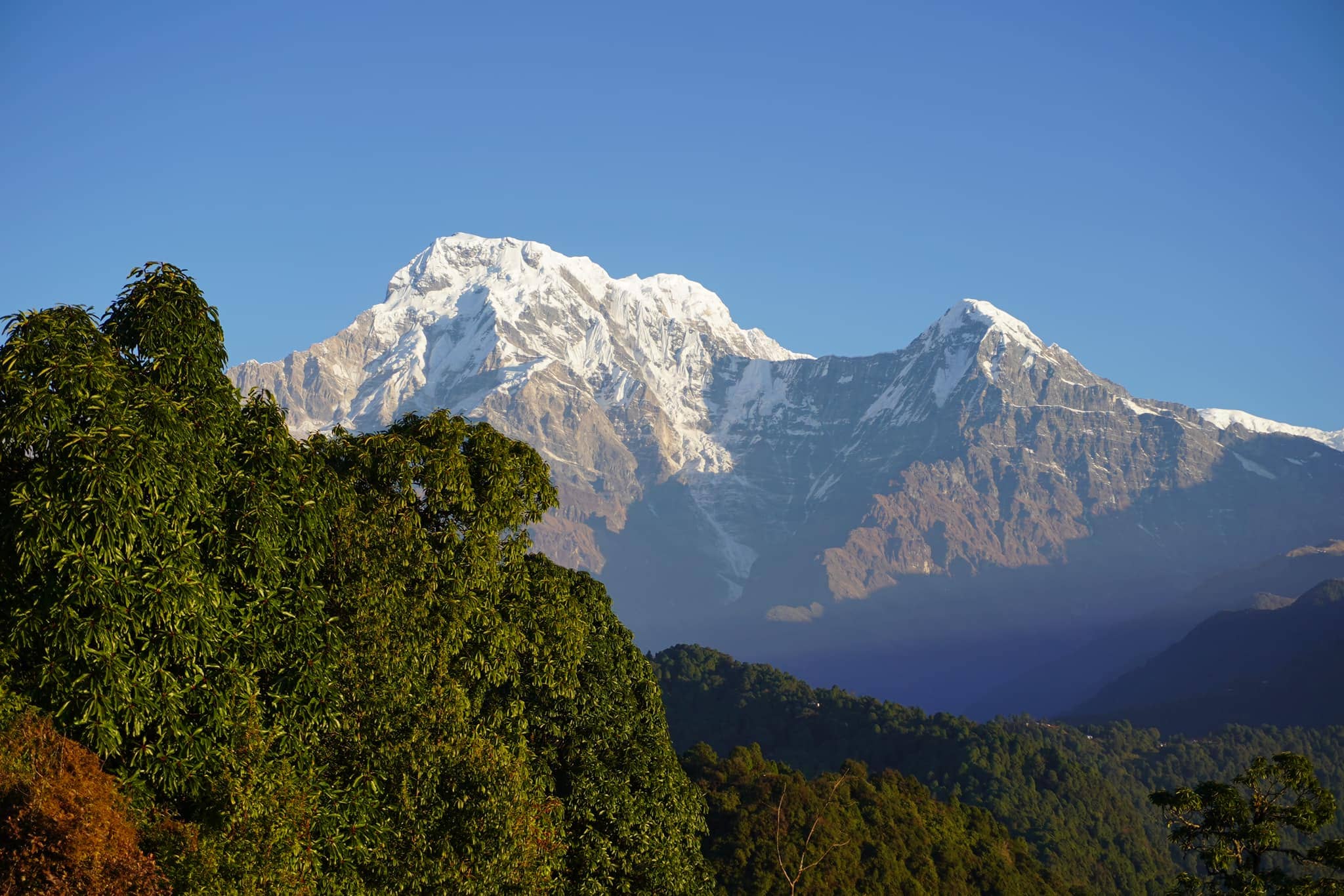
The Classic Annapurna Circuit Trek is recognised globally as one of the most iconic trekking routes. It is renowned for its dramatic landscapes featuring deep gorges, remote high-altitude passes, panoramic viewpoints like Poon Hill. Rejuvenating natural hot springs, sacred Buddhist and Hindu temples, charming agricultural villages, and awe-inspiring views of the Annapurna mountain range.

This classic trail encircles the entire Annapurna massif, crossing the formidable Thorong La Pass (5,416m), skirting the edge of the world’s deepest gorge (Kaligandaki Gorge), witnessing sunrise over Himalayan peaks from Poon Hill, visiting the revered Muktinath Temple (a significant pilgrimage site for both Hindus and Buddhists), and relaxing in the thermal springs of Tatopani

Covering altitudes from 800 m to over 5,416 m, the trek journeys through multiple climatic zones—from subtropical forests and rice paddies to high alpine pastures and glacier-fed valleys. Along the way, trekkers will experience a rich cultural blend and the Tibetan-influenced way of life in the Mustang region. Wildlife lovers may even catch a glimpse of blue sheep or, with luck, a snow leopard near Yak Kharka.

This classic Annapurna circuit trek is ideal for those seeking a truly adventurous Himalayan experience with diverse scenery, unique geography, and varying climate zones. At Corporate Adventure Treks, we also offer tailor-made options for this route or other treks in the Annapurna region. 

To plan your customise Nepal trekking experience or tailor your Annapurna Circuit itinerary, contact Corporate Adventure Treks via WhatsApp: +9779851029803 (Saroj)

Overview of Itinerary

Activity Distance (km) Duration (hours) Altitude (m)
Drive to Dharapani 240km 10-12 hrs 2100 m
Trek to Chame 15.5 km 5-6 hrs 2,710 m
Trek to Upper Pisang 14 km 5-6 hrs 3,300 m
Trek to Manang 16 km 6 hrs 3,519 m
At Manang - - 3,519 m
Trek to Yak Kharka 10.5km 5-6 hrs 4, 050 m
Trek to Thorang Phedi 7.5 km 5-6 hrs 4, 450 m
Trek to Muktinath via Thorang-La (5, 416 m) 18 km 8-9 hrs 3,800 m
Trek to Jomsom 20 km 7-8 hrs 2,710 m
Fly to Pokhara & connecting fly to kathmandu 1, 350 m

Trip Highlights

  • Trek through rich green forests, terraced fields, deep gorges, and open alpine deserts—changing dramatically day by day.
  • Unbeatable Views from Thorong La Pass (5,416 m)
  • A high-altitude challenge with sweeping Himalayan views of Annapurna, Dhaulagiri, and other majestic peaks.
  • Discover the unique traditions of Gurung, Thakali, and Tibetan-influenced communities in Manang and Mustang.
  • Home to snow leopards, Himalayan blue sheep, monkeys, and rhododendron forests within the Annapurna Conservation Area.
  • Visit a sacred site for both Hindus and Buddhists, nestled at 3,800 m with natural flame and 108 holy water taps called Muktinath Temple. 

Day To Day Itinerary

  • Arrival On: Kathmandu
  • Departure from: kathmandu

Day 1

Today we will have early Breakfast then, drive to Besisahar (approximately 5.5 hours) to immediately immerse yourself in the spectacular mountain wilderness that encompasses the Annapurna Range. After lunch you’ll link drive to Dharapani; it takes around another 4 hours off-road drive.  Overnight at Dharapani.


  • Hotel: Guesthouse
  • Meal: Lunch, Dinner
  • Drive: Private Transport on request

Day 2

We continue ascending through forests of pine and oak, we pass through Dhanakyu before coming to a large waterfall. Further on, the Marshyangdi River enters a gorge and the trail follows a rock-strewn path. When the steep incline ends, we follow a path amid rhododendrons and continue on a gently rising path. We cross a stream before entering a pine forest. We then enter the hamlet of Kotho, from where we can get a good view of Annapurna II. The route reaches a large white gate with a corrugated iron roof, which is the entrance of Chame, the administrative headquarters of Manang district. There is electricity, shops, health post, post office and banks in Chame. The hot springs are a major attraction too.

Hiking time: 5 – 6 hours; Ascent: 550 m; Max. Altitude: 2710 m; Accomodation: Teahouse


  • Hotel: Tea house
  • Meal: Breakfast, lunch, dinner

Day 3

Today we head off for Pisang crossing a large suspension bridge over the Marshyangdi. Our trail meanders through fields leading to Teleku at 2775 metres before reaching Bratang. After leaving the forested village, the valley changes from a V-shape to a gentle U-shape. Further on, we continue up steep trails to the south side and cross a long suspension bridge at 3040 metres. From here we get to view Paungda Danda rising more than 1500 metres from the river. We cross one final bridge and enter the village of Pisang.

Hiking time: 5 – 6 hours; Ascent: 600 m; Max. Altitude: 3310 m;


  • Hotel: Lodge | Guesthouse
  • Meal: Breakfast, lunch, dinner

Day 4

We start today heading along a steep ridge with wonderful views of the Manang valley and the Tilicho peak. We descend through Manang’s airstrip to come to Hongde, lying beneath Annapurna III on the north-east face. The route then leads to the wide plain of the Sabje Khola Valley from where we get views of Annapurna IV (7525m). Further on, we cross a wooden bridge, and enter the village of Mungji. We continue along the cultivated fields and after a while arrive at the village of Bryaga which has a lovely monastery. On trekking down to Manang, we get more views of the Annapurna range – Annapurna II, Annapurna III, Annapurna IV, Gangapurna (7455m) and Tilicho Peak (7134m).

Hiking time: 6 – 7 hours; Ascent: 230 m; Max. Altitude: 3540 m


  • Hotel: Lodge | Guest house
  • Meal: Breakfast, Lunch, Dinner

Day 5

We will be acclimatizing on this day. However, we will remain busy throughout the day exploring Manang village. In the morning, we will visit Gangapurna & Ice Lakes, and spend the rest of the day soaking in the magnificent views of Annapurna III, Tilicho, Pisang, and Chulu Peaks. In the afternoon, we may visit the Himalayan Rescue Association in Vraja village, where we will be briefed about acute mountain sickness, its symptoms, and preventions.


  • Hotel: Lodge | Guest house
  • Meal: Breakfast, Lunch, Dinner

Day 6

After a day in and around Manang, acclimatizing to the high elevation and allowing our bodies’ time to rest and get used to the environment, we move Yak Kharka. First, we cross a stream and climb to Tenki village, then head out of Marshyangdi valley northwest to Jar Sang Khola valley. The trail ascends slowly, as we head northwards.

We will be passing through several pastures and juniper forests. As our trek continues, we will pass through a small village called Gunsan that has houses made of flat mud roofs. You will also get to see yak and horse pastures. After crossing a small river on a wooden bridge, we make our way up the spectacular valley to an open, peaceful meadow known as Yak Kharka.

Hiking time: 4 – 5 hours; Ascent: 800 m; Max. Altitude: 4250

  • Hotel: Lodge | Guest house
  • Meal: Breakfast, Lunch, Dinner

Day 7

Today we head to the foot of Thorong La pass, Thorong Phedi. From Yak Kharka, we will climb up to a ridge, then head down and cross the Marsyangdi river on a wooden bridge. After climbing up the mountain, we follow a narrow trail across a slope and descend to Thorung Phedi. The uninhabited, rugged terrain is otherworldly and much different than the lush lowlands that we passed on the way up during the initial phase of the trek.

Hiking time: 4 – 5 hours; Ascent: 600 m; Max. Altitude: 4850 m;


  • Hotel: Lodge | Guest house
  • Meal: Breakfast, Lunch, Dinner

Day 8

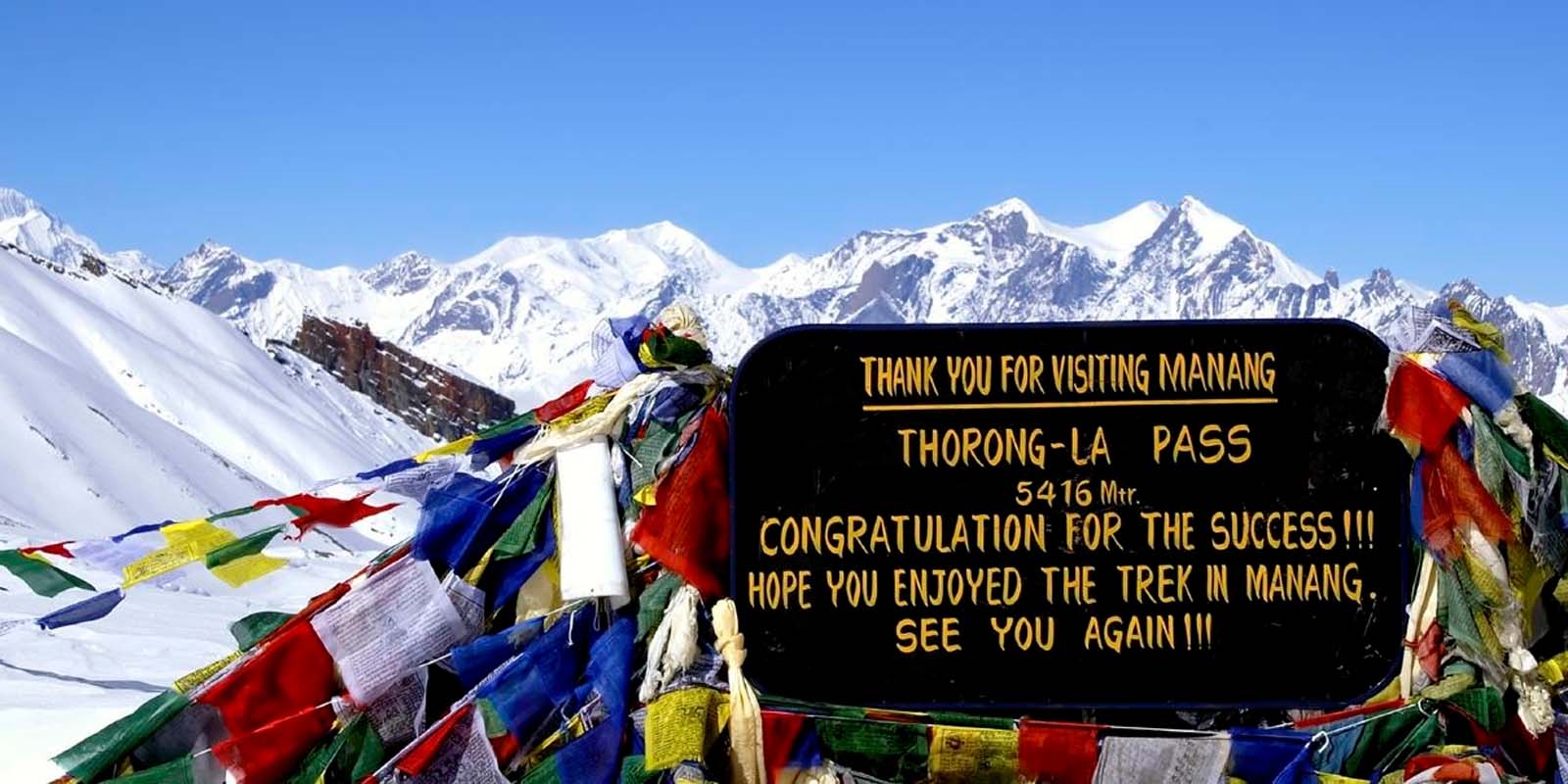
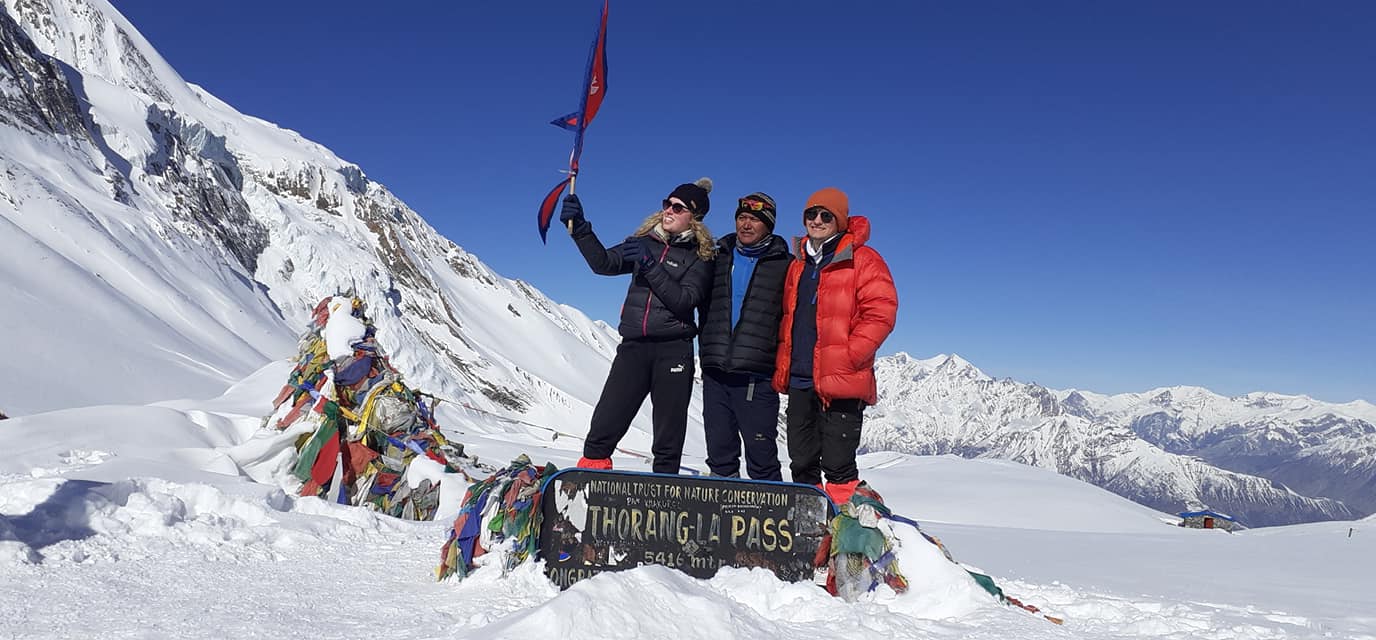
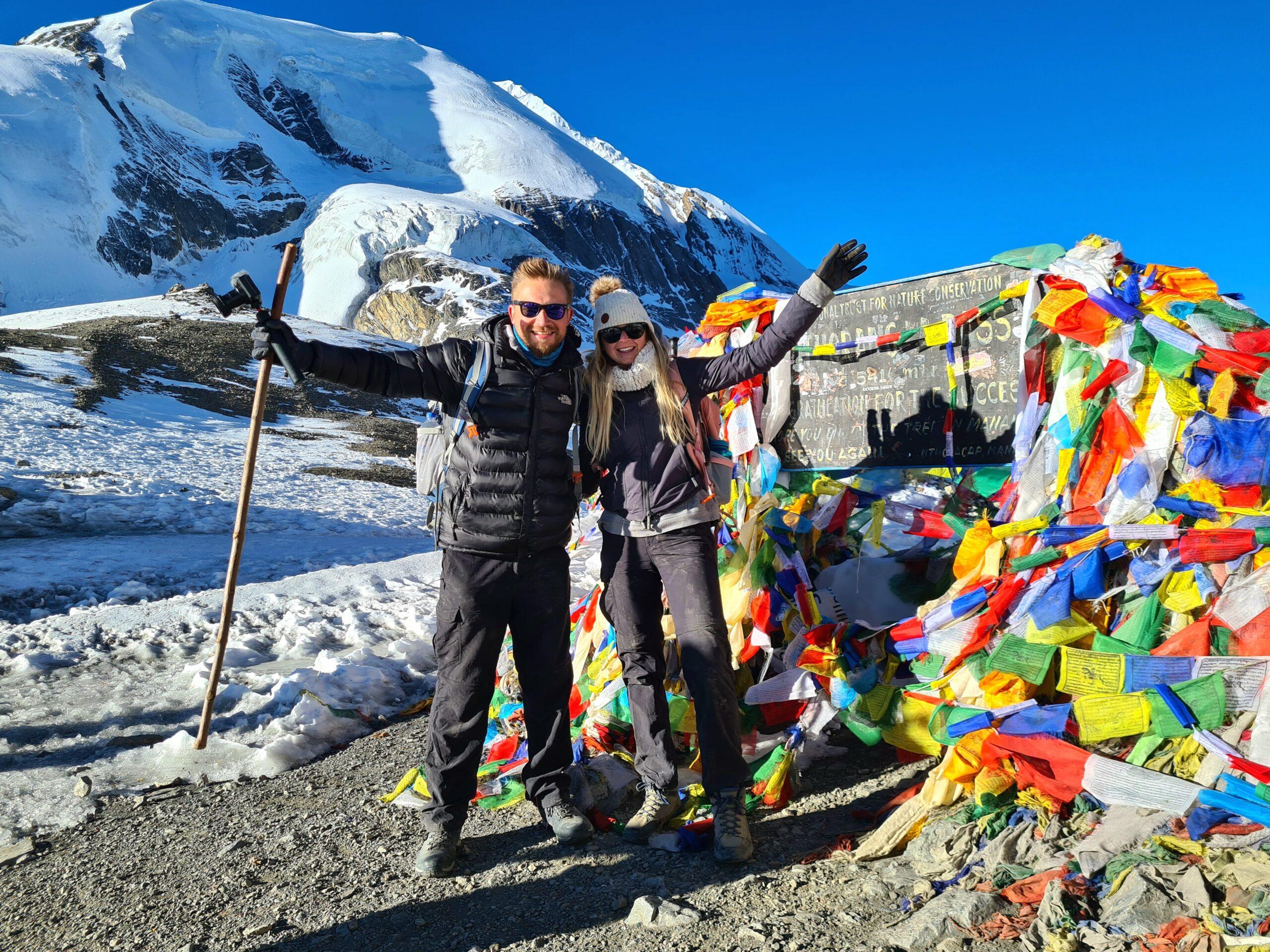
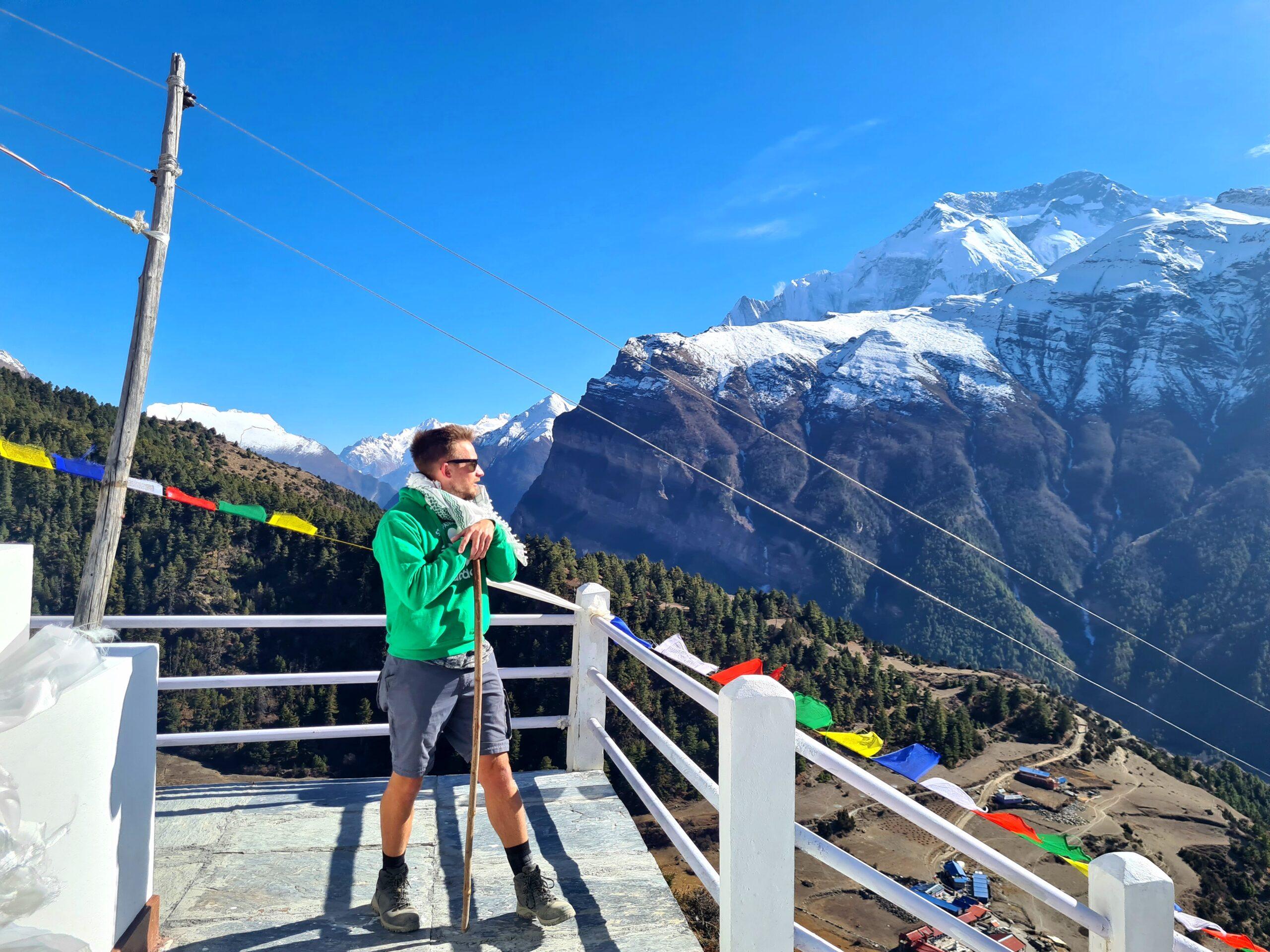
We have an early start today for the crossing of Thorung La (5416m). The trail becomes steep immediately on leaving camp, but as local people have used this trail for hundreds of years, the path is well defined. The gradient then eases and after around 4 hours of steady climbing, we reach the prayer flags of the pass. From the snow-covered mountains above, to the head of the Kali Gandaki valley below and the brown and purple hills of Mustang, which spread out before us, we are presented with dramatic views. The descent to Muktinath is a tough 1600m. But the excellent views of Dhaulagiri are a good distraction. Eventually moraine gives way to grassy slopes before a pleasant walk along the Jhong Khola Valley to Muktinath, with its shrines and temple.

Hiking time: 7 – 8 hours; Ascent: 566 m; Descent: 1616 m; Max. Altitude: 5416 m;

  • Hotel: Lodge | Guest house
  • Meal: Breakfast, Lunch, Dinner

Day 9

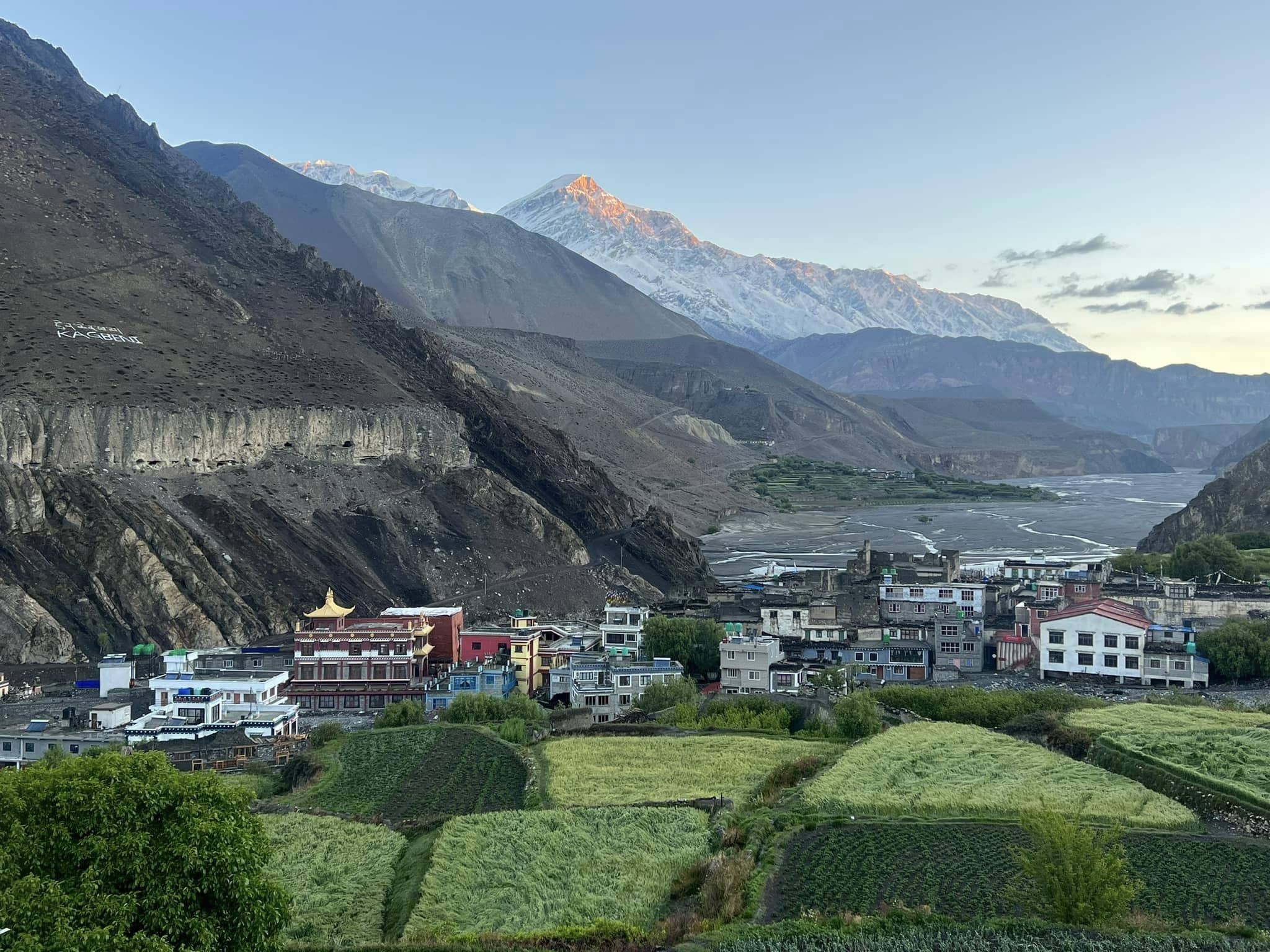
This is the final day of trekking. You walk down to the southern border of Mustang called Kagbeni. The trail gradually descends through salt route and takes you to Kagbeni. After lunch here, you follow the Kaligandaki river bank on a flat and easy track to reach Jomsom. Jomsom is a stop where you can enjoy the local delicacies and even the apple brandy- ’Marpha’ here. Overnight stay at Jomsom.


  • Hotel: Hotel | Guest house
  • Meal: Breakfast, Lunch, Dinner

Day 10

Today, you take an early morning flight to Pokhara. You will have plenty of time spare in Pokhara so you can go visit the Davis Fall, Gupteshwor Cave, Phewa Lake, Tal Barahi temple, and other tourist attractions in Pokhara. In the afternoon connect to the Kathmandu. Overnight stay at kathmandu

Note: If you prefer to stay longer in pokhara please let us know.

  • Meal: Breakfast, Lunch

Included & Excluded in the Cost

Standard Package Cost $1125 Per Person
Standard Package Service Includes
  • Free Welcome and transfer to Kathmandu airport
  • 10 days full board (3 meals per day), excluding drinks and extras
  • Lodge accommodation (shared bathrooms)
  • An English-speaking trekking guide (others-speaking on request extra cost), his salary, transport, food, accommodation, and insurance.
  • A porter (for two people), his salary,transport,food & accommodation,insurance
  • Transport: Kathmandu to Besisahar to Dharapani by Local sharing Jeep. (Private transport on request extra cost)
  • Trekking Permits. (TIMS, ACAP Permits.)
  • Domestic Flight: Jomsom to Pokhara and connecting to Kathmandu
  • Frist aid kit for your trekking staff.
  • Good equipment for your guide and porter to trek.
  • Farewell dinner with cultural show.
  • All government taxes, Vat, tourist Service and official expenses.
Standard Package Service Excludes
  • Round-trip flight from your country of origin
  • Nepalese visa
  • Insurance and medical evacuation in case of emergency
  • Stay in Kathmandu and Pokhara (accommodation, food, visits, transport…)
  • Possible paid sites to visit during the trek
  • Equipment for trekking (sleeping bag, hiking boots, etc.)
  • Personal expenses during the trek (drinks, shower, electricity, internet…)
  • Tips for the home team
  • Single room supplement on request.

Meals:

During our Annapurna Circuit trek , we can enjoy authentic Nepalese food as well the more common international cuisine (Tibetan, Continental, Italian, Indian, etc.). Breakfast and dinner will be served from the tea-houses or from a lodge menu where we spend the night whereas lunch will be served on the way to the next destination. All meals will be provided during trekking while only breakfast will be available while in Kathmandu and Pokhara. There will also be welcome and farewell dinners for guests

Accommodation:

We will be staying  in tea houses during the trek. All accommodations are on a twin-share basis. A single supplement is available upon request for an additional USD 175. While single rooms are generally available in Kathmandu and the lower trekking regions, they may be difficult to find at higher elevations.

Date & Price

Start Date End Date Total Person Price From
January 1, 2027 January 10, 2027 15 $1125
Start Date End Date Total Person Price From
February 4, 2027 February 14, 2027 15 $1125
Start Date End Date Total Person Price From
March 3, 2027 March 12, 2027 15 $1125
March 13, 2027 March 22, 2027 15 $1125
March 23, 2027 March 3, 2027 15 $1125
March 5, 2028 March 14, 2028 15 $1125
March 15, 2028 March 24, 2028 15 $1125
March 25, 2028 April 3, 2028 15 $1125
Start Date End Date Total Person Price From
April 2, 2027 April 11, 2027 15 $1125
April 12, 2027 April 21, 2027 15 $1125
April 22, 2027 May 2, 2027 15 $1125
Start Date End Date Total Person Price From
May 4, 2027 May 14, 2027 15 $1125
May 15, 2027 May 24, 2027 15 $1125
May 25, 2027 June 3, 2027 15 $1125
May 1, 2028 May 10, 2028 15 $1125
May 11, 2028 May 20, 2028 15 $1125
May 21, 2028 May 30, 2028 15 $1125
Start Date End Date Total Person Price From
June 10, 2027 June 19, 2027 15 $1050
Start Date End Date Total Person Price From
July 15, 2027 July 24, 2027 15 $1050
Start Date End Date Total Person Price From
August 1, 2027 August 9, 2027 15 $1050
Start Date End Date Total Person Price From
September 25, 2026 October 4, 2026 15 $1125
September 22, 2027 October 2, 2027 15 $1125
September 16, 2028 September 25, 2028 15 $1125
Start Date End Date Total Person Price From
October 11, 2026 October 20, 2026 15 $1125
October 21, 2026 October 30, 2026 15 $1125
October 1, 2027 October 9, 2027 15 $1125
October 20, 2027 October 29, 2027 15 $1125
October 18, 2028 October 27, 2028 15 $1125
October 10, 2027 October 19, 2027 15 $1125
Start Date End Date Total Person Price From
November 5, 2026 November 14, 2026 15 $1125
November 15, 2026 November 24, 2026 15 $1125
November 25, 2026 December 4, 2026 15 $1125
November 1, 2027 November 10, 2027 15 $1125
November 10, 2027 November 19, 2027 15 $1125
Start Date End Date Total Person Price From
December 15, 2026 December 24, 2026 15 $1125

Transport

The general standard of driving throughout Nepal is poor and badly regulated. Roads in Kathmandu are very congested, many drivers are not properly licensed and vehicles are poorly maintained. During the monsoon season (June to September) many roads outside the Kathmandu valley are prone to landslides and may become impassable.

We insist on using a high standard of vehicle and driver for all of our transfers. In Nepal it is not a legal requirement to have seatbelts fitted in the back of vehicles, and while we try to use vehicles that do have rear seatbelts fitted, this cannot always be guaranteed. If you are unhappy about any aspect of the vehicle or the standard of driving, please speak to the driver or our local office immediately.

Gears & equipment for the trek

The gear and equipment you require for the Trek depend on the season you are trekking. However, here is a list of probable items. We recommend our clients to bring just the essentials.

Head

  • Sun hat or scarf
  • Winter hat or insulating hat or a wide-brimmed hat
  • Headlight with extra batteries
  • Face
  • Sunscreen
  • Sunglasses with UV protection
  • Face/body wipes

Hands

  • Lightweight gloves
  • Heavyweight winter gloves

Body

  • Hiking shirts
  • Long-sleeved shirt
  • Hooded rain jacket
  • Fleece jacket
  • Lightweight cotton pants
  • T-Shirt (bring lightweight wool)
  • Polypropylene underwear
  • Down jacket (available for rent in Kathmandu)
  • Sweater
  • Waterproof jacket and pants

Footwear

  • Hiking boots
  • Thick wool socks (Take an extra pair of thick light socks)

Essential gear

  • Backpack or daypack (Size depends on whether you take porter or not)
  • Thermal bottle
  • Water purification tablets
  • Trekking pole
  • Sleeping bag (-15 degree bag is best in the high altitude trekking)

Toiletries

  • Medium size drying towel
  • Toothbrush
  • Toothpaste
  • Deodorant floss
  • Biodegradable bar soap
  • Nail clippers
  • Small mirror

Personal accessories

  • Money | Watch | Cell phone | Camera

Extra items

  • First aid kit
  • Extra passport-size photos and photocopies of passport
  • Notebook and pen
  • Binoculars


Best Time to Travel:

Spring (March to May) and autumn (mid-September to November) are usually considered the best seasons for trekking in the Annapurna region. During these months, the weather is dry and clear, making it ideal for hiking and unobstructed scenic mountain viewing of the landscapes. The days are warm, and the nights are cool. On the downside, these are peak seasons, so the trails become crowded and busy.

The trail of the Annapurna region winds through a pristine forest teeming with wildflowers and orchids in spring. Walking through the hills covered with wildflowers against the backdrop of the majestic Himalayas will feel lovely.

Autumn is the most popular season and optimal for trekking in the Annapurna region. After the settling of dust and impurities after the rainy season, you can enjoy crystal clear views of the landscapes. The conclusion of the wet monsoon season clears the skies of dust and contaminants, allowing you to enjoy crystal-clear views. Trekking in late September or October allows you to experience Nepal’s most important festivals, Dashain and Tihar. These festivals are celebrated by the Ghales, Gurungs, Brahmins, Newars, and Nepalese all over the world. During these festive seasons, you can see the festive environment all over Nepal.

The winter season in Nepal is from late November to February. This season, a lesser number of travelers are seen due to the cold weather. Nonetheless, this season is ideal for the brave and travellers who want to experience the trek with lesser crowds. Trekking in the mountainous region during these months gives you cultural insights into the Buddhist villages.

Altitude Sickness & A

Entry Permits & Requirements:

Trekkers need permits to enter the Annapurna Conservation Area. These are arranged by trekking agencies or can be obtained in Kathmandu or Pokhara.

The required permits are:

  • Annapurna Conservation Area Permit (ACAP)
  • TIMS (Trekkers’ Information Management System) Card

Permit Fees:

  • ACAP Entry Permit: NPR 3,000 for foreigners, NPR 1,000 for SAARC nationals, NPR 100 for Nepali citizens.
  • TIMS Card: NPR 2,000 for individual trekkers, NPR 1,000 for group trekkers, NPR 300 for SAARC nationals.

To get these permits, you’ll need:

  • Passport (original and copies)
  • Passport-sized photos
  • Trek itinerary and duration
  • Entry and exit points
  • Emergency contact details
  • Travel insurance information

Travel Insurance:

Trekking in the Annapurna region takes you to altitudes above 5,000 meters, where the risk of altitude sickness and other emergencies increases. A good travel insurance policy is a must.

Make sure your insurance covers:

  • High-altitude trekking (above 5,000m)
  • Emergency helicopter evacuation
  • Medical treatment and hospitalization
  • Trip cancellations, lost baggage, and flight delays

Even with precautions, emergencies can happen, so check your policy thoroughly before your trip.

Responsible Travel:

Trekking responsibly is important to protect the Annapurna region’s natural beauty and local communities. Here’s how you can contribute:

  • Avoid plastic bottles—use a reusable water bottle and purification tablets.
  • Dispose of waste properly—carry a small bag for personal trash.
  • Support local businesses—buy local products and respect cultural traditions.
  • Stay on marked trails to prevent erosion and protect wildlife habitats.

We partner with eco-friendly service providers and support sustainable tourism initiatives. As members of KEEP (Kathmandu Environmental Education Project), we actively promote environmental conservation and responsible trekking practices.

By choosing to trek with Corporate Adventure Treks, you’re not just exploring the mountains—you’re supporting the people who call them ho

Guide and Porters arrangements:

The Annapurna trek offers a mix of challenging trails, high passes, and unpredictable weather. Having an experienced local guide is invaluable for navigation, safety, and cultural insights.

Our trekking groups are led by licensed guides with years of experience in the Annapurna region. For every 10 trekkers, we provide an assistant guide for additional support. Porters help carry luggage, with one porter assigned to two trekkers (each carrying up to 30kg). Keep your baggage under 15kg to make it manageable.

We believe in fair treatment for our staff. All guides and porters receive fair wages, proper gear for the mountains, and insurance coverage. We follow the ethical guidelines of the International Porter Protection Group (IPPG) to ensure their well-being. A portion of our booking fee also supports the education of our staff’s children

Safety on the Trek:

Your safety is our priority. We follow a well-planned itinerary with enough acclimatization days to minimize altitude sickness. Our guides are trained in first aid, altitude sickness management, and crisis handling. They carry first-aid kits and pulse oximeters to monitor oxygen levels.

If anyone in the group experiences altitude sickness, we take immediate action. Mild cases are managed with rest and hydration, while severe cases require descent or evacuation. An assistant guide will always accompany trekkers needing extra care.

Altitude Sickness & Acclimatization:

The Annapurna Region includes high-altitude treks, with some routes reaching over 5,400m. Thorong La Pass(5,416m), Kang La Pass (5,320) m are some of the highest passes in the Annapurna Region. At these high altitudes, oxygen levels drop, which can lead to altitude sickness (AMS).

To acclimatize properly:

  • Walk at a steady pace and stay hydrated.
  • Take rest days at key points, such as Manang on the Annapurna Circuit.
  • Be aware of AMS symptoms: headache, nausea, dizziness, and fatigue.
  • If symptoms worsen, descend immediately and seek medical help.
  • In severe cases, helicopter evacuation to Kathmandu may be needed

Drinking Water:

Staying hydrated is crucial while trekking as severe dehydration may also cause AMS. Drink at least 3-4 liters of fluid daily. Bottled water is available at teahouses, but it is expensive and contributes to plastic waste.

Better alternatives include:

  • Carry a reusable bottle with a filtration system like LifeStraw.
  • Using water purification tablets or a SteriPEN.
  • Buying boiled water from teahouses (extra cost applies).

Internet Connectivity:

Internet Connectivity differs from place to place. While internet connectivity and network towers may experience irregular connection and lags. Wi-Fi is available at most teahouses, but it can be slow and costly. Some lodges charge per hour or device. You can also use local SIM cards (NTC or Ncell), which provide good mobile data coverage in lower areas, but connectivity might weaken at higher altitudes.

For a more reliable internet connection, you can buy an Everest Link prepaid Wi-Fi card, available at teahouses along the trekking routes. Overall network connection can be found in most of the places on this trek