×
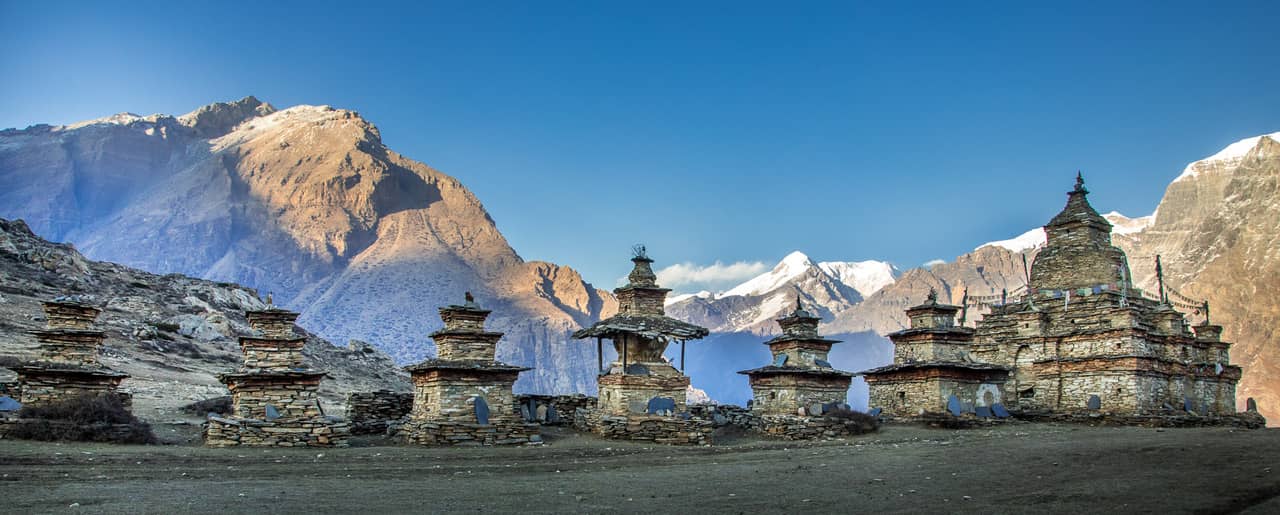
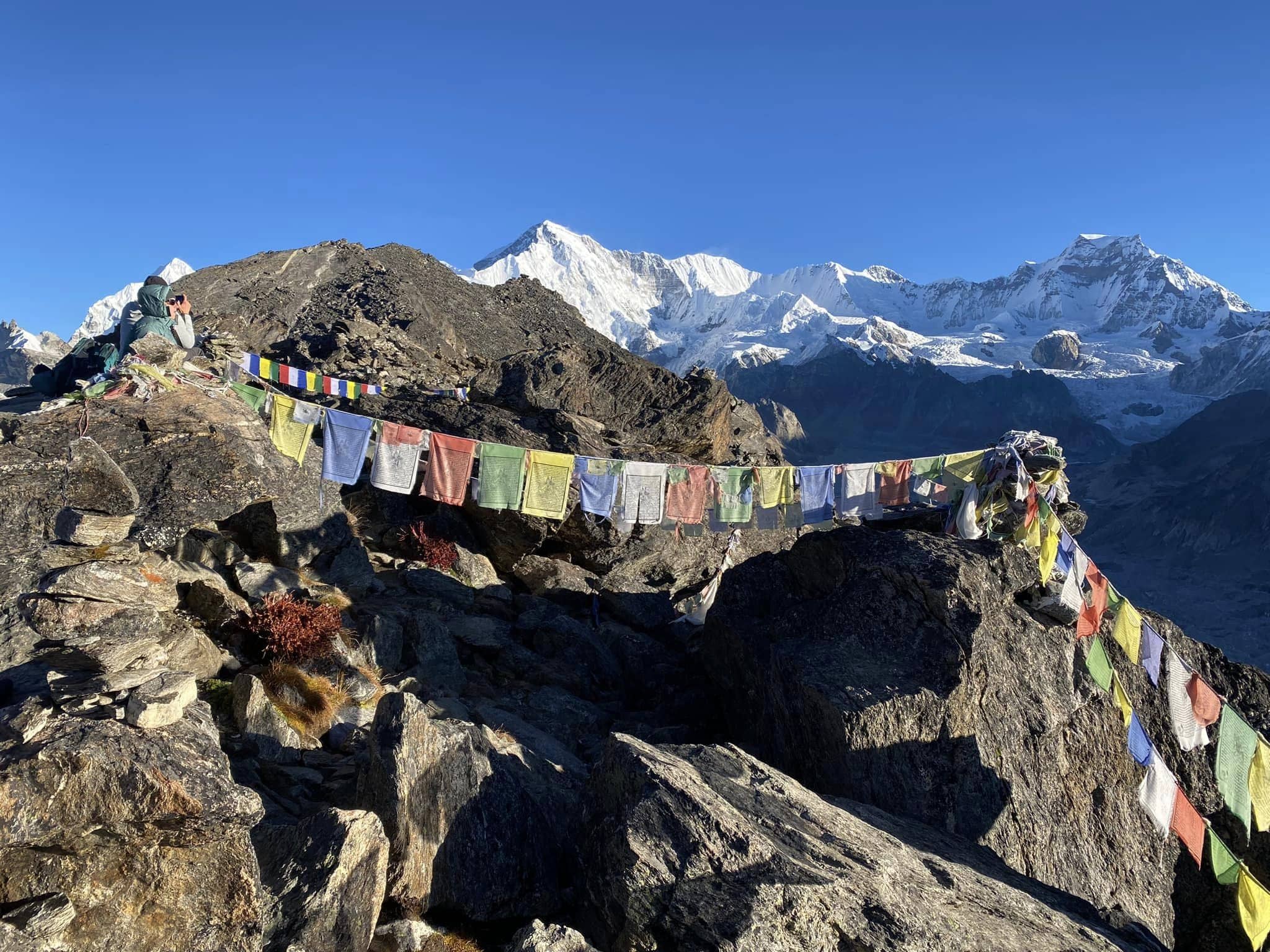
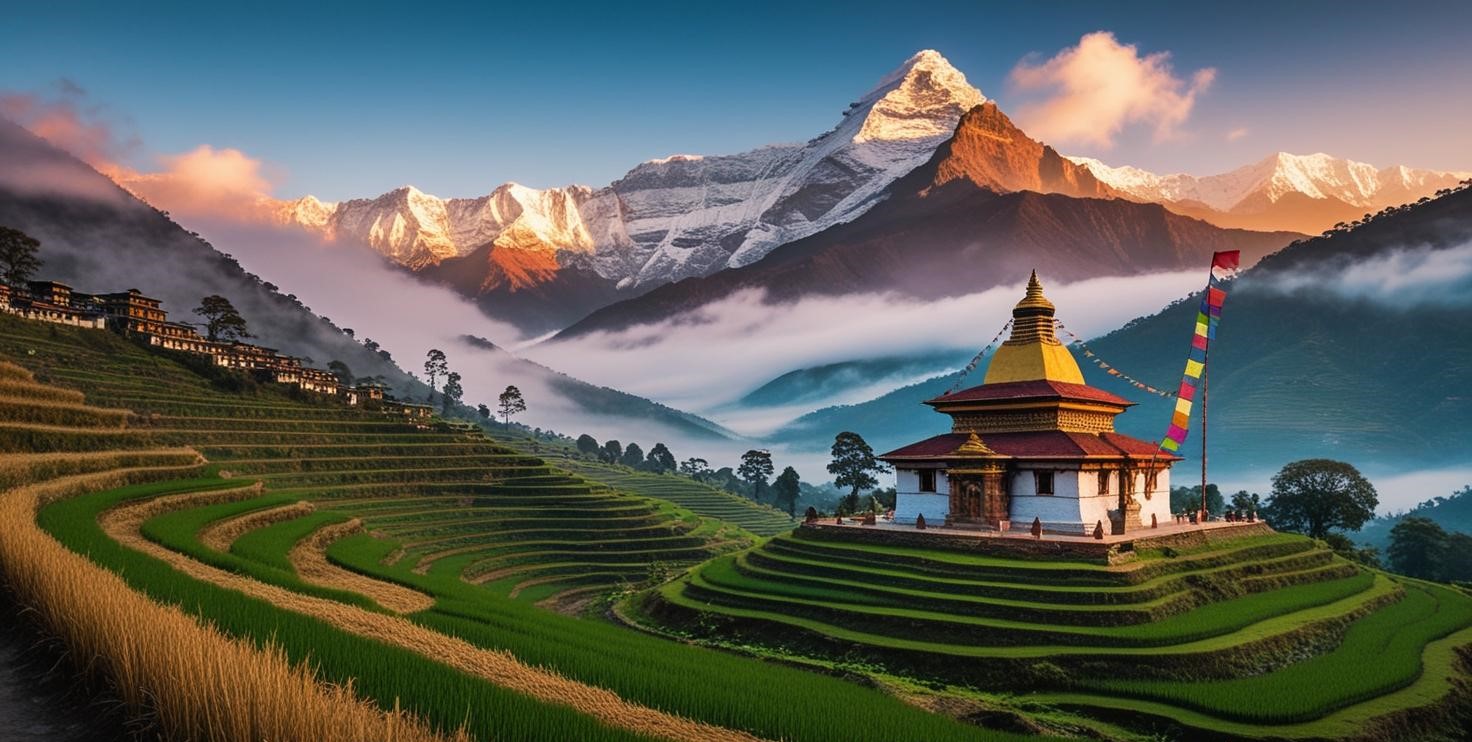
View from the Ancient Trail to Everest

Ancient Trail to Everest-18 Day/s

Ancient Trail to Everest-18 Day/s

Destination
Everest Base Camp
Duration
18 Days/ 17Nights
Trip Difficulty
Strenuous -sport
Activities
Hiking
Accomodation
Hotel | guest house
Meals
Breakfast | Lunch | Dinner
Max. Elevation
5,550 m
Group Size
1-20
Vehicle
Private transport | Bus | Domestic flight

Trip Introduction

The “Ancient Trail to Everest” offers a journey through history, following the original route to Everest Base Camp. Before the construction of Lukla Airport, this path was the main way to access the Everest region. Notably, Sir Edmund Hillary and Tenzing Norgay Sherpa took this route during their historic 1953 expedition to Everest.

Ancient Trail to Everest starting point:

The journey begins with a bus ride to Bhandar, a village situated a few kilometers from Jiri. Jiri, often called the “Gateway to Everest,” is a small hillside town that has long served as a starting point for trekkers heading to the Everest region.

This ancient trail to Everest holds historical significance, having been a key route for adventurers for decades. From Bhandar, the trail winds through traditional villages such as Sete, Junbesi, Nunthala, Khari Khola, and Puiyan before reaching Phakding.

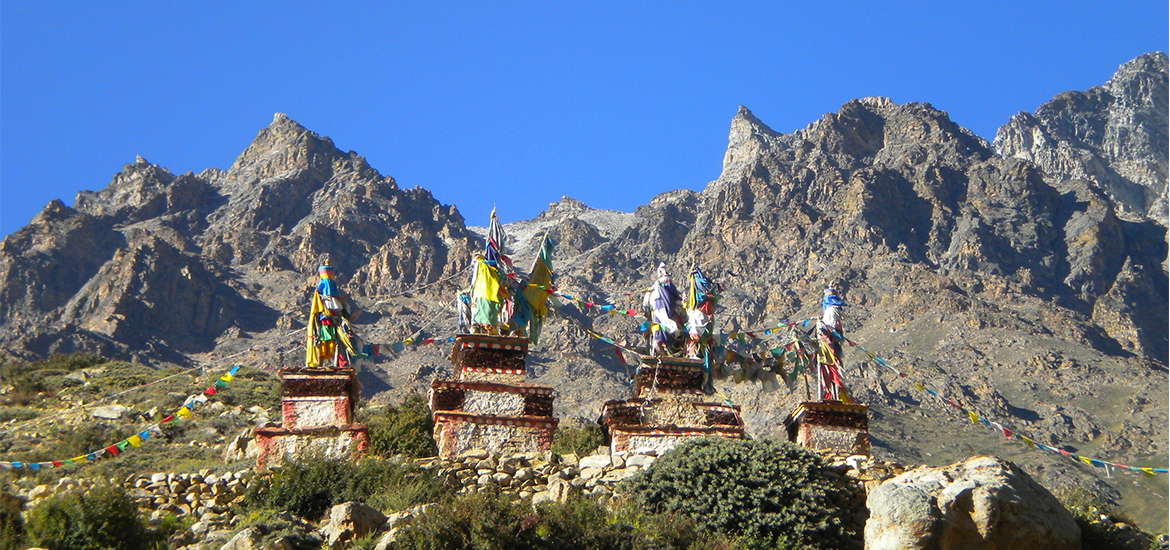
Along the way, trekkers encounter diverse communities, including the Rai, Limbu, Tamang, Magar, and Sherpa people. The journey offers a chance to experience warm hospitality, witness local traditions, and explore ancient Buddhist monasteries, providing a deep cultural insight into the mountain way of life.

This trek lasts about 18 to 21 days, allowing time for proper acclimatization while moving at a relaxed pace. The slow pace allows trekkers to connect with nature and observe the local way of life in the lower Khumbu region. Along the way, you will see the diverse landscapes of the Everest region, or “Khumbu,” which are filled with thick forests, small settlements, and peaceful riverbanks. The trail follows the course of several rivers, including the Dudh Koshi River and the Bhote Koshi River, which add a scenic beauty to the journey.

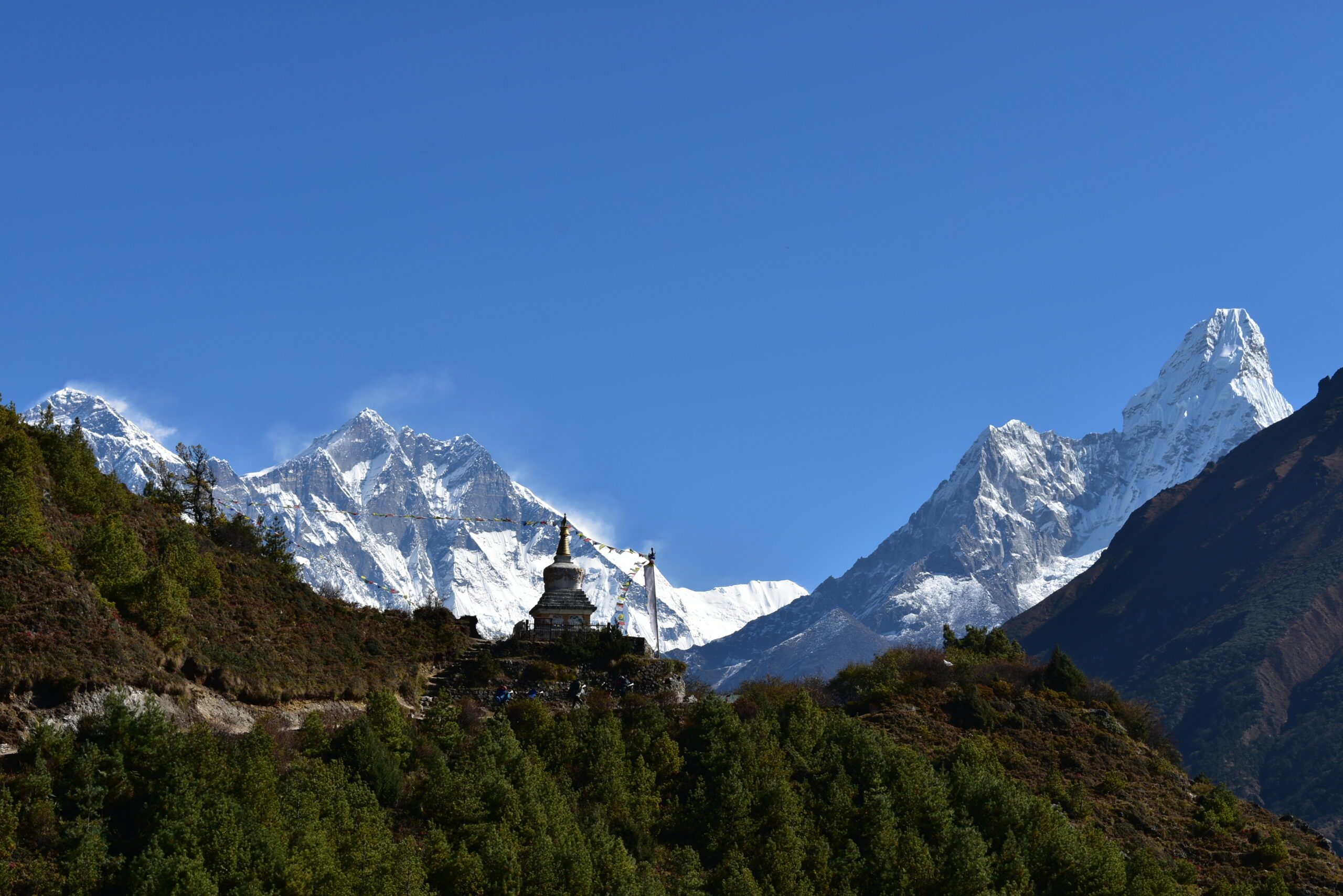
The view throughout this journey is truly breathtaking, with panoramic landscapes of the towering Himalayan peaks. The mountain include Mt. Everest, Mt. Ama Dablam, Mt. Lhotse, Mt. Nuptse, and Mt. Thamserku. As you move through dense forests, cross suspension bridges, and pass through small villages, you’ll experience a variety of altitudes and climate zones, which give the trek a sense of adventure. Keep your eyes peeled for local wildlife such as Himalayan tahr, musk deer, and the elusive snow leopard.

One of the highlights of this trek is the Lamjura Pass (3,530m), the highest point on the trail. Here you’ll get incredible views of the surrounding snowcapped himalayan mountains. Another unique feature of this trail is the chance to visit historic monasteries like Junbesi Gumba and Tengboche Monastery. These sites are not just beautiful but have great spiritual significance, housing ancient scriptures and paintings.

The food along the way reflects the culture of the Sherpa people and other mountain communities. Traditional meals like dal bhat (lentil soup with rice), momos (dumplings), and sherpa stew. Offering energy to trekkers while experiencing local flavors. There are also small teahouses where you can try popular foods from the area.

This route allows for gradual acclimatization, reducing the risk of altitude sickness, which is important for a safe journey to Everest Base Camp. Though many trekkers now fly to Lukla to start their trek. Following the Ancient Trail to Everest offers a more peaceful experience, with fewer people along the trail. This makes it a great choice for those looking for both a challenging trek and cultural immersion.

Following in the footsteps of Sir Edmund Hillary and Tenzing Norgay Sherpa, reaching Everest Base Camp becomes a proud accomplishment. Looking back at your journey, you’ll have a deep admiration for those who climbed to the top of the world. The adventure is truly a blend of natural beauty, culture, and history, making it a unique experience for trekkers. On your return back to Kathmandu you can take a scenic flight from Lukla while enjoying the Himalayan mountain views.


Overview of Itinerary

Activity Distance (km) Duration (hours) Altitude (m)

Trip Highlights

  • Walking in the footsteps of the early Everest pioneers on the ancient trail.
  • Immers yourself in Sherpa culture and warm local hospitality.
  • Unrivaled views of Everest, Ama Dablam, Thamserku, and other Himalayan peaks.
  • Experiencing serene landscapes, rhododendron forests, and traditional villages.
  • Standing at the iconic Everest Base Camp.
  • Watching the sunrise over Everest from Kala Patthar.
  • Exploring the lively markets of Namche Bazaar and historic Tengboche Monastery.

Is This Trip Suitable For You?

  • Ancient Everest Base Camp Trek is a moderately graded trek. If you are reasonably healthy, can climb stairs and you have no trouble walking for a couple of hours, then you can easily do this trek.
  • You spend 17 days on the trail. The maximum time spent walking on the trail is 8 hours and a minimum of 3 hours.
  • While trekking there will be an elevation gain of 400 to 600 meters each day. The highest point you will reach during your trek is Kala Patthar at 5,550m and Chukkung Ri 5530m.
  •  The route is gentle with some steep portions and downhill descents. You walk on an unpaved gravel path. No technical maneuvers involved, just easy walking.
  • You will stop for food and rest at local mountain lodges.

Day To Day Itinerary

Day 1

Start your journey with an early morning drive taking a direct bus to Bhandar which is near Jiri, a picturesque hill town. The winding road takes you through scenic countryside, terraced fields, and charming villages. Along the way, enjoy the vibrant greenery and occasional stops for refreshments at local roadside eateries. Known as the gateway to Everest before the Lukla Airport opened, Jiri holds historical significance as the original starting point for Everest expeditions. Upon arrival, settle into a teahouse and soak in the mountain vistas as you prepare for the trekking adventure ahead.

Overnight stay at a teahouse.

Day 2

Ascend trails lined with terraced farmlands and dense forest canopies. Be greeted with the warm hospitality of the Magar and Sherpa communities the locals of this village. Take occasional breaks to savor the tranquility of the journey, with birdsong and the rustling of leaves accompanying your trek. As you approach Sete, the cool mountain breeze and peaceful surroundings provide a welcoming end to the day.

Overnight stay at a teahouse.

Day 3

Today the scenic trail takes you over the Lamjura Pass (3,530m), the highest point of this segment. The trail weaves through rhododendron and oak forests, making it particularly vibrant in spring with blossoms adding splashes of color to the surroundings. After crossing the pass, descend into the quaint village of Junbesi. This Sherpa village is rich in cultural traditions and surrounded by stunning mountain landscapes. Spend your evening enjoying local hospitality and traditional meals.

Overnight stay at a teahouse.

Day 4

Follow trails that offer the first clear glimpses of Everest and Thamserku on the horizon. Cross steel suspension bridges that connect the green valleys, and descend through terraced farmland dotted with traditional homes. Interact with the local residents and learn about their way of life. As the trail winds down to Nunthala, you will be greeted by serene vistas and a peaceful atmosphere that is perfect for relaxation.

Overnight stay at a teahouse.

Day 5

Today the trek takes you through subtropical forests and alongside rushing streams. You will cross the Dudh Koshi River on a sturdy suspension bridge, capturing the sheer power and beauty of the waterway. Pause at small villages for refreshments and engage with the locals, gaining insight into their daily lives. Arrive in the culturally rich village of Kharikhola, surrounded by terraced hills. Rest in a comfortable teahouse and enjoy a hearty meal.

Overnight stay at a teahouse.

Day 6

Trek through enchanting forests alive with ancient trees and the scent of wildflowers. Keep an eye out for Himalayan wildlife such as monkeys and various bird species. The trail involves gradual ascents that challenge your stamina, but the serene surroundings make it worth every step. Upon reaching Puiyan, enjoy panoramic vistas and rest in the quiet ambiance of this mountain hamlet.

Overnight stay at a teahouse. 

Day 7

oday you continue in the trail that descents and ascents as you make your way toward Phakding via Lukla. Wander through vibrant landscapes and pass monasteries adorned with colorful prayer flags fluttering in the wind. Phakding, situated beside the Dudh Koshi River, provides a tranquil spot for relaxation. Spend the night enjoying riverside views and a warm teahouse experience.

Overnight stay at a teahouse. 

Day 8

Follow the Dudh Koshi River through a trail that ascends steeply at times, with spectacular views of the snow-capped Himalayas walking alongside you. As you approach Namche Bazaar, the excitement builds. This vibrant hub in the Khumbu region brims with shops, eateries, and lively markets. Take the evening to explore or simply relax in your cozy accommodation.

Overnight stay at a teahouse. 

Day 9

Spend the day acclimatizing and exploring the fascinating town of Namche Bazaar. Hike to the Everest View Hotel for panoramic views of Everest, Ama Dablam, and other peaks. Dive into Sherpa culture with a visit to the local museum or stroll through the bustling streets. Relax in cozy cafes and sample unique Himalayan delicacies. This day balances rest and gentle exploration, preparing you for higher altitudes ahead.

Overnight stay at a teahouse. 

Day 10

Today the trail climbs gradually through forests filled with birdsong and spectacular views of the Himalayan range. Take short breaks at view-points offering picture-perfect panoramas of Everest, Nuptse, and Ama Dablam. Visit the renowned Tengboche Monastery, a serene spiritual center nestled amid dramatic Himalayan scenery. As the day ends, soak in the tranquil surroundings and enjoy a fulfilling meal.

Overnight stay at a teahouse. 

Day 11

Begin the day by descending towards the valley before ascending toward the open plains of Dingboche. En route, witness herds of grazing yaks and marvel at the glacial rivers flowing through the rugged terrain. The shifting landscapes gives stunning photographic opportunities, with snow-dusted peaks rising dramatically in the background. Settle into Dingboche, a serene village known for its expansive fields and close-up mountain views. Take the evening to relax and acclimatize to the higher altitude while savoring a warm meal in the cozy lodge.

Overnight stay at a lodge in Dingboche.

Day 12

On this day you can spend the entire  day acclimatizing and exploring the breathtaking surroundings of Dingboche. Take a short hike to Nagarjun Hill or Chukhung Valley, where the panoramic views of Makalu, Lhotse, and other towering peaks will leave you in awe. Stroll through the village, observing its terraced fields and traditional stone walls(Mani walls). This day is crucial for adjusting to the altitude while enjoying the serenity of the Himalayan wilderness.


  • Activities: Short hikes, sightseeing, and cultural interaction

Day 13

The trail to Lobuche offers a gradual ascent, winding through rocky paths and glacial moraine fields. Pause at the memorials of climbers at Thukla Pass, a historic reminder of the region’s mountaineering. As you approach Lobuche, the towering peaks of the Khumbu Glacier come into view. The dramatic vistas and crisp mountain air create a truly exhilarating experience.

Overnight stay at a teahouse in Lobuche.

Day 14

This is the day you’ve been waiting for! Trek through rocky terrains and along the icy paths of the Khumbu Glacier, finally arriving at Everest Base Camp. Bask in the sense of achievement as you stand amidst the awe-inspiring peaks of the Himalayas. Capture memories and take in the legendary atmosphere of the base camp before returning to Gorakshep for the night.

Overnight stay at a teahouse in Gorakshep. 

Day 15

Begin before sunrise for a climb to Kala Patthar, the highest point of the trek. Witness the sun casting golden hues over Mount Everest and the surrounding peaks—a surreal and unforgettable sight. Descend to Gorakshep for breakfast before continuing to Pheriche. The descent takes you through rocky terrains and past mountain streams. Enjoy the relative warmth and lushness of Pheriche after days at high altitude.

Overnight stay at a teahouse in Pheriche. 

Day 16

Retrace your steps through Pangboche and Tengboche, enjoying a new perspective on the breathtaking landscapes. Stop at monasteries and viewpoints to soak in the beauty of the mountains one last time. As you descend further, the air grows warmer, and the path becomes livelier with more greenery. Arrive back at the bustling town of Namche Bazaar for a comfortable evening.

Overnight stay at a teahouse in Namche Bazaar. 

Day 17

The final day of trekking takes you back through forests, across suspension bridges, and alongside the Dudh Koshi River. Relish the beauty of the Himalayas as you bid farewell to the mountains. Arrive in Lukla with a mix of accomplishment and nostalgia. Celebrate the completion of your trek with your group and local guides.

Overnight stay at a lodge in Lukla.

Day 18

Catch an early morning flight back to Kathmandu, bidding farewell to the breathtaking Himalayan landscapes. On arrival, spend the day relaxing, exploring the city, or shopping for souvenirs. Reflect on the incredible journey and the memories created along the Ancient Trail to Everest.

Overnight stay at a hotel in Kathmandu. 

What's Included

  • Free Welcome and transfer to Kathmandu airport
  • 18 days full board (3 meals per day), excluding drinks and extras
  • Lodge accommodation (shared bathrooms)
  • An English-speaking trekking guide (others-speaking on request extra cost), his salary, transport, food, accommodation, and insurance
  • A porter (for two people), his salary, transport, food & accommodation, insurance
  • Private transport from kathmandu to Bhandara (shearing bus, local will be available on request)
  • Domestic flight from Lukla-Manthali / Kathmandu
  • All entrance fees and trekking permits.
  • Government tax.

What's Not Included

  • Round-trip flight from your country of origin
  • Nepalese visa
  • Insurance and medical evacuation in case of emergency
  • Stay in Kathmandu (accommodation, food, visits, transport…)
  • Possible paid sites to visit during the trek
  • Equipment for trekking (sleeping bag, hiking boots, etc.)
  • Personal expenses during the trek (drinks, shower, electricity, internet…)
  • Tips for the home team

Lukla weather and Flight

The easiest way to reach Lukla (2840m), the trailhead of your Everest Base Camp Trek is via a flight. One of the highest and most extreme airports in the world, flying to Tenzing-Hillary Airport in Lukla has its own challenges. The chief among them is the weather.

The airport is built on a narrow plateau, over a steep cliff. Navigating the plane along the short and narrow runway is difficult when strong winds whip across the mountains. Surrounded by some of the highest peaks in the world, the weather here is unpredictable and changes frequently. It would be clear and sunny one minute and the next moment the clouds will appear and everything will turn hazy. Flights operate only when the weather is stable and visibility clear.

The chances of your Lukla flight getting canceled cannot be ruled out. If this happens your EBC Trek may get extended by a day or two. So come prepared and keep buffer days so that you may not miss your international flight.

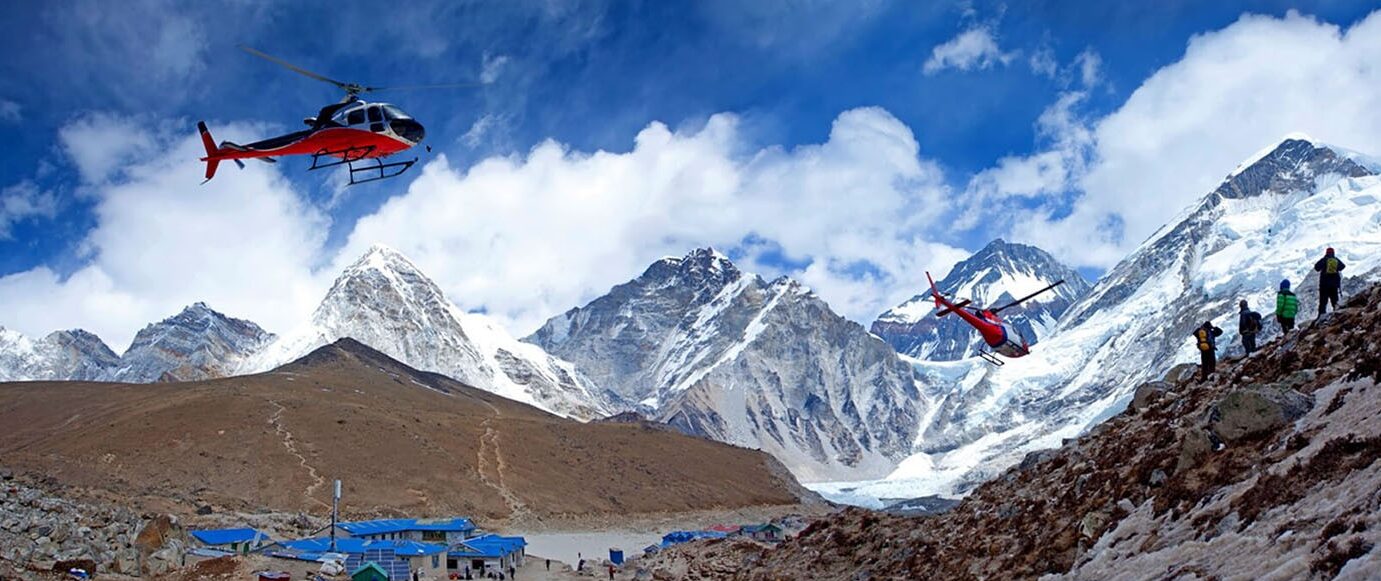
If there is a long delay due to bad weather, we will try to secure a space for you on a helicopter flight. The cost for the heli flight [USD 500 one way per person] is not included in the trip price and should be borne by you.

Due to congestion at the Kathmandu airport during high season (Spring- March, April, autumn – October, November), flights to and from Lukla now operates from Manthali Airport in Ramechhap. The airport lies 132km (4hrs 30mins drive) from Kathmandu.

However, airline companies operate their first and last flights directly from Kathmandu and Lukla (KTM-LUKLA-KTM). If you book your trip early, we can try to secure a place for you on the direct flight to or from Lukla. It will be easier and more comfortable to fly directly from Kathmandu to Lukla and vice versa, instead of making that additional journey to Ramechhap.

Helicopter Flights to Everest Region will operate from Tribhuvan International Airport, Kathmandu

Meals

During our trek, we can enjoy authentic Nepalese food as well the more common international cuisine (Tibetan, Continental, Italian, Indian, etc.). Breakfast and dinner will be served from the teahouse or from a lodge menu where we spend the night whereas lunch will be served on the way to the next destination. All meals will be provided during trekking while only breakfast will be available in Kathmandu. There will also be welcome and farewell dinners for guests.

Altitude Sickness & Acclimatization

Remember you will be trekking to the world’s highest trekking destination, Everest Base Camp which lies well above 5000 meters beyond the sea level. Here there is less oxygen in the atmosphere which will make breathing a bit difficult.

To let your body get used to the thin air, you need to walk slowly, steadily, and keep your body hydrated. If you try to hasten and walk fast to reach your destination in less time, chances are you may suffer from AMS or Acute Mountain Sickness.

AMS symptoms like dizziness, headache, nausea, shortness of breath, fatigue, etc., are seen at elevations above 2000 meters. Usually, these symptoms occur once you reach Namche or beyond Namche.

Taking Diamox and a good night’s rest may work for mild cases. Drinking plenty of fluids (water, tea, soup, etc.) and keeping your body hydrated will also help to keep the sickness at bay. One should take the necessary precautions to ensure that the condition does not worsen. But if the symptoms worsen, one may have to return to a lower elevation and get medical help.

There are clinics at Lukla, Namche, and Pheriche which offer basic care for minor ailments. In the worst-case scenario, an air evacuation will be arranged, where the patient will be flown to Kathmandu to receive medical aid. AMS, if untreated or ignored can take your life.

On a high altitude trek like the trek to EBC, acclimatization is very important. Your body needs time to get used to thin air which can be done by resting at a lower altitude before reaching a higher level of elevation.

Our experts have included two days in the itinerary for acclimatization. During your trek, you will be spending extra days at Namche (3440m) and Dingboche (4410m) to acclimatize successfully before trekking further.

Drinking Water

It is important to keep your body hydrated on the trail as dehydration also causes AMS. One should drink at least 3-4 liters of fluids daily.

We dissuade you from buying bottled water as it adds up to the thrashing problem in the mountains. Moreover like everything else, bottled water is also expensive in the mountains.

We highly recommend you to carry a reusable water bottle with you, one that can hold hot water. You can use one with a steri pen or an inbuilt filtration system like LifeStraw. You can also use water purification tablets to treat the water. While the water in the mountains tends to be pure and without impurities, it’s better not to take chances and filter or treat the water before drinking.

Using chlorine or iodine tablets to treat the water may alter its taste. You can add flavored electrolyte powder (which readily available at pharmacies in Kathmandu) to mask the bitter chemical taste. Adding electrolyte to your drinking water may also be beneficial as the minerals (sodium, potassium, magnesium, etc.) you lose while walking gets replenished.

Teahouses offer boiled drinking water at an additional cost. It can cost anywhere between 1 USD to 4 USD. Up to Namche, you may have to pay around 1 USD per liter or pot (every teahouse use a different sized pot). The price increases gradually as you climb higher. You pay the highest for boiled water at Gorak Shep, ie, 4USD. While cold water is provided free of charge, it is not advisable to drink untreated tap water.

Internet Connectivity on Everest Base Camp Trek

Despite being the world’s highest trekking trail, internet connection (though erratic and irregular at some places) is available in the Everest Region.

You can connect with your loved ones while trekking, post updates, and upload pictures on social media. Wi-fi is available at all teahouses up to Gorak Shep. While it is free at some cafes in Lukla and Namche, most teahouses will charge you extra for using their Wi-Fi hotspot.

It will be cheaper and easier to get an Ncell (a private telecom company) sim card in Kathmandu and purchase internet data that could last you for your entire trip. The company offers 3G connectivity up to Everest Base Camp (5364m).

Everest Link, another local internet provider also offers paid internet access on the trail. You can purchase the username and password at any of the teahouses or shops along the trail.

Note: company will be provide limited data every lodge. If you need more date you can purchase direct.

Packing Checklist For Everest Base Camp Trek

As opposed to popular belief, you don’t need a lot of complicated gear and equipment for an Everest Base Camp adventure. Here’s a basic checklist of the most essential items that you should not forget to bring with you during your EBC Trek:

  • A sturdy pair of trekking boots with good ankle support
  • Rucksack or daypack (30 liters) with a waterproof cover
  • Trekking pants and waterproof trousers
  • T-shirts or shirts
  • Down jacket
  • Wind/ waterproof light jacket
  • Fleece jumper or jacket
  • Inner Thermal (top and trouser)
  • 4-6 pair of socks and underwear
  • Sunglasses, sun hat, woolen cap or balaclava
  • Inner and outer gloves
  • Headlamp, power bank, and extra batteries
  • Sun protection cream, wet wipes, and hand sanitizer
  • Towel, flip-flop or rubber sandal, toiletries
  • Water bottle and water purification tablets
  • Sleeping bag and sleeping bag liner

These are only some of the essential items. Check a more detailed packing list for trekking. Most of the trekking equipment are available on hire in Kathmandu. You can keep your baggage light by only packing the most essential items and renting or buying the rest in Kathmandu. Shops in Thamel offer branded as well locally made gear and equipment.

Guide(S) & Staff Arrangements

Everest Base Camp Trek takes you to the highest trekking trail in the world. Having an experienced local guide accompanying you will enrich your trip in so many ways. Trekking with a person who has in-depth knowledge of the mountain will also keep you safe and secure.

When you book an EBC Trek with us, we pair you up with one of our local guides. All our guides have an experience of more than 10 years and have a vast knowledge of the area you are visiting. They have completed the trekking guide course and have the required government license to work as a mountain guide. They can communicate in English and have received training on wilderness first aid and crisis management.

The trek will be led by a chief guide or trek leader. For every 8 trekkers, there will be an assistant guide assisting them personally. One porter will carry the luggage of 2 clients. Make sure that your luggage does not exceed 12/13 kg, as the porter can only carry a weight of 25/30 kg.

We believe in the ethical treatment of our staff. All our Guides and Porters are provided with weather-appropriate gear and clothing to battle the harsh weather in the mountains. Before the start of a trek, we ensure that our mountain guides are fully insured. They are given fair wages and treated with respect.

We seriously follow the guidelines set by IPPG (International Porter Protection Group) and offer assistance to porters to develop other skills. A portion from the booking fee goes to fund the education of our field staffs’ kids.

Trip Safety

We ensure the safety of our clients by following all safety protocols during the trip. The Everest Base Camp Trek itinerary has been designed by travel experts and veteran guides who have guided several groups to Everest Base Camp innumerable times.

To prevent AMS, the required number of rest days has been added to the itinerary. Our guides always carry a first-aid kit and pulse oximeter (to measure the oxygen level in your blood) with them. The guides assigned to you have more than 10 years’ experience and know what steps to take during an emergency. They are well-trained in wilderness first aid and crisis management.If a client shows symptoms of AMS and needs to descend to a lower elevation, an assistant guide will escort him/her and will follow the safety protocol. He will closely monitor the client’s condition and will take the required steps needed for the well-being of the client.If he/she feels alright after a night’s rest, the guide will escort the client back to join the group. But if the condition worsens, the client will be escorted down to Lukla or get airlifted to Kathmandu for expert medical aid.

Entry Permits & Requirements

The permits you need for the Everest Base Camp trek are – 1) Sagarmatha National Park Entry Permit, and 2) Khumbu Rural Municipality Entrance Permit. Unlike other treks in the Nepal Himalaya, you won’t be needing a TIMS (Tourist Information Management System) card.

Sagarmatha National Park Entry Permit can be obtained from the Nepal Tourism Board’s Office in Kathmandu or at the park’s entrance gate in Monjo by paying NRS 3000. For citizens of SAARC countries, the fee is NRS 1500. You need to fill out the permit form and show your passport or a copy of your passport. This will be including on our package.

To get the Khumbu Pasang Lhamu Rural Municipality Entrance Permit, you need to be in Lukla. You have to pay NRS 3000 for the permit at the rural municipality counter which lies at the edge of the village.

You won’t have to worry about queuing up to get the permits as the company or our guides will arrange all the permits for you.

Travel Insurance

For  Ancient Everest Base Camp Trek, you need a good travel insurance policy that offers you coverage for all activities and altitudes included in your itinerary. The highest altitude you reach is 5,550 meters and your travel insurance should offer you suitable coverage up to this elevation.

Though we take your safety as our number one priority, we cannot rule out mishaps and emergencies that may occur at this altitude. There is less oxygen in the environment and trekkers usually suffer from Acute Mountain Sickness, which could prove to be fatal if not treated on time. Walking on a treacherous mountain environment also exposes you to physical injuries. Therefore make sure that your insurance covers the cost of all injuries and emergencies that you can possibly face during this trekking adventure. Your insurance policy should especially cover the cost of helicopter evacuation and hospitalization in case of an accident or medical emergency as these happen to be quite expensive. Check for vaccination requirements as some travel insurance policies makes it mandatory to immunize yourself before you leave your country.

Before you decide on a policy, be mindful and don’t forget to read the fine print. It would be advantageous for you also to choose a company that offers insurance cover on both domestic as well as international flight cancellations and lost or stolen baggage.