×
Naar phu Trek

Annapurna Naar Phu, Tilicho LakeTrek-19 Day/s

Annapurna Naar Phu, Tilicho LakeTrek-19 Day/s

Destination
Nepal
Duration
19 Days/ 18Nights
Trip Difficulty
Strenuous
Activities
Hiking
Accomodation
Hotel | guest house
Meals
Breakfast | Lunch | Dinner
Max. Elevation
5, 416 m
Group Size
1-15
Vehicle
Private transport | Bus | Jeep

Trip Introduction

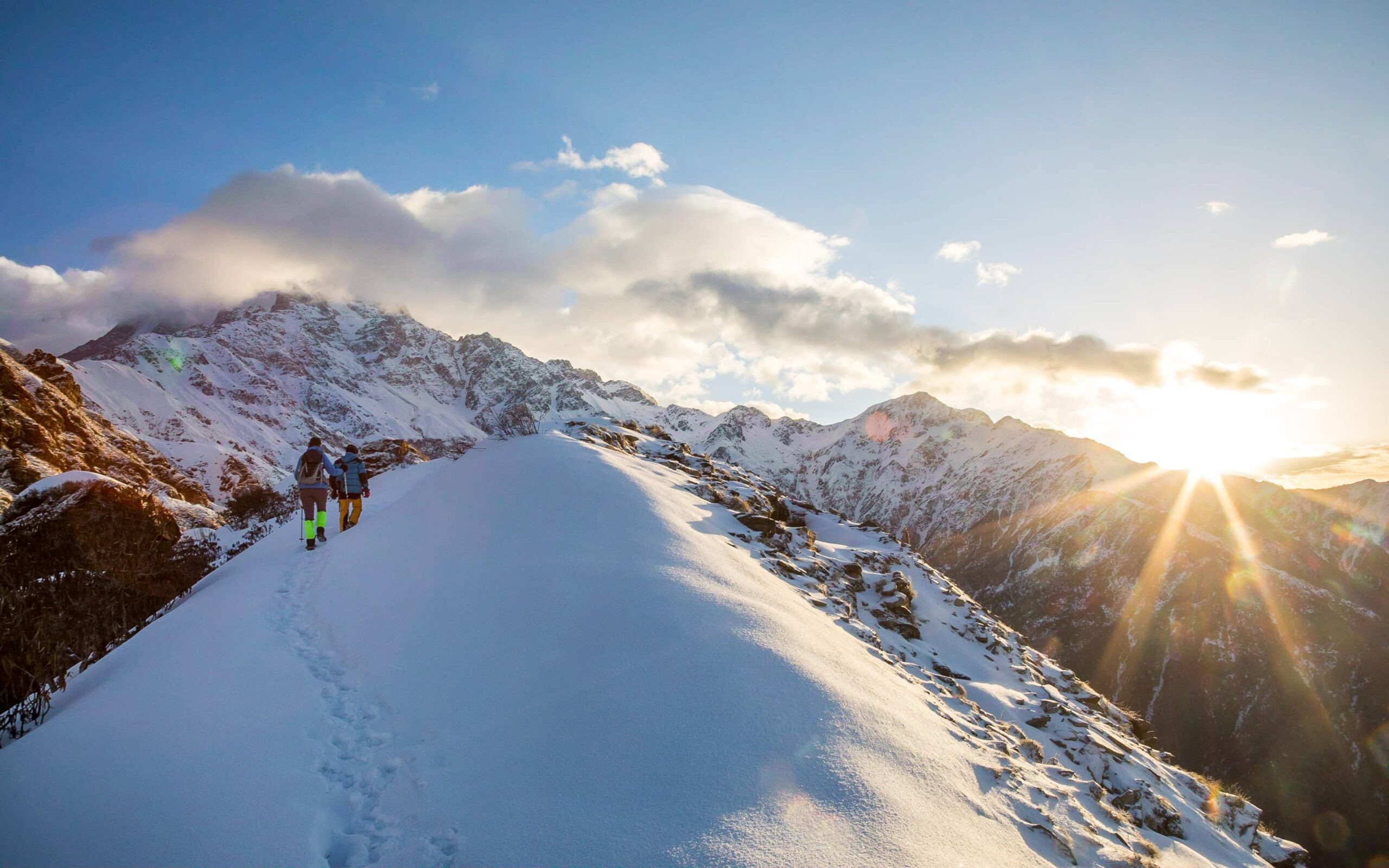
The Annapurna Naar Phu, Tilicho Lake Trek is a challenging and rewarding trek in the Annapurna region of Nepal. This trek combines some of the less-traveled trails with some of the most popular trails in the region, making for a unique and varied trekking experience.

The trek starts from Besishahar and follows the Marsyangdi River valley, passing through beautiful villages, terraced fields, and lush forests. After crossing the Marsyangdi River, you will reach the Naar Phu Valley, which is a remote and less-traveled area with unique Tibetan culture and stunning landscapes.

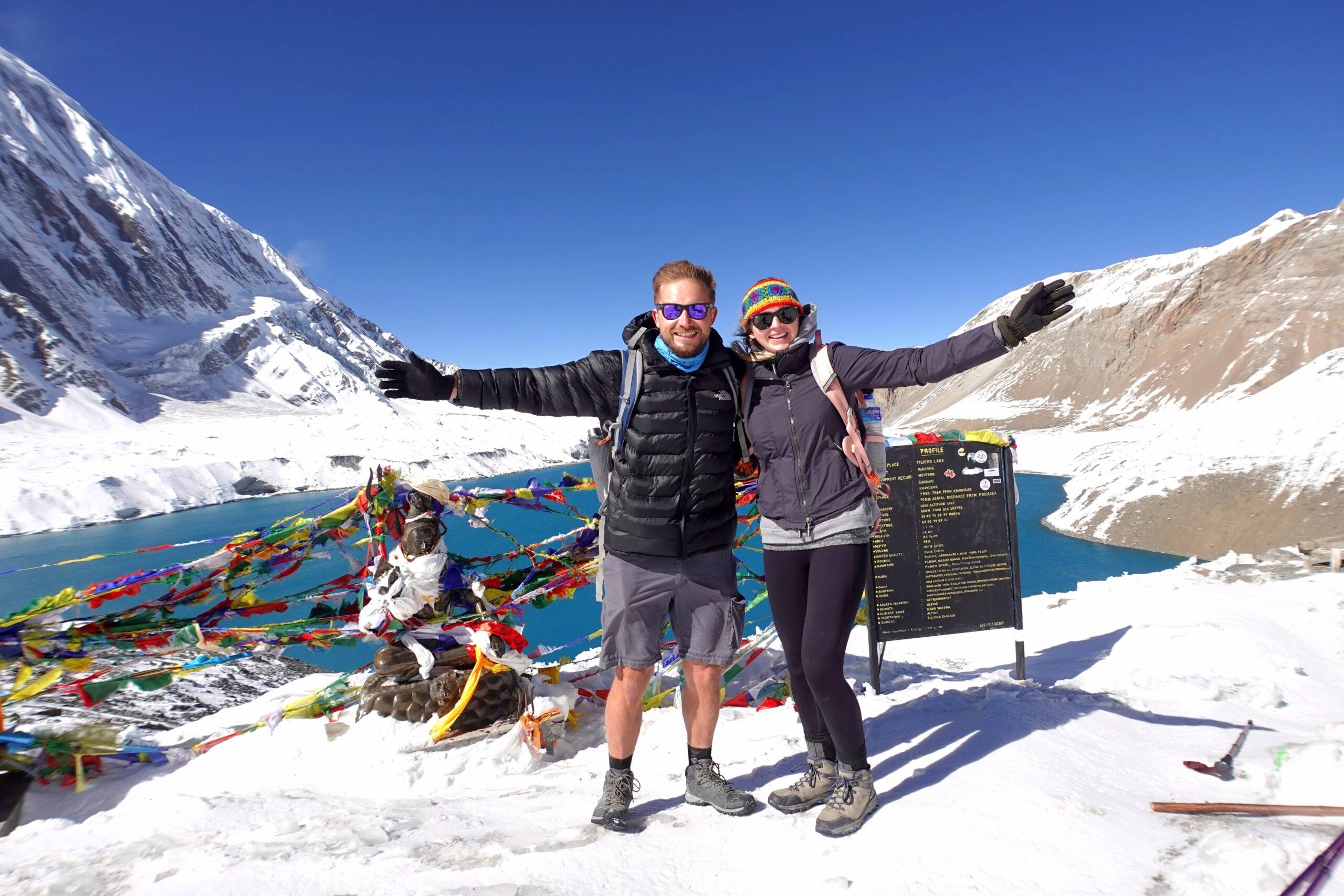
From Naar Phu, the trail heads towards the Tilicho Lake, which is one of the highest lakes in the world, located at an altitude of 4,919 meters. The turquoise blue waters of the lake surrounded by the snow-capped peaks make for a breathtaking sight.

After visiting Tilicho Lake, the trail heads towards the Thorang La Pass, which is the highest point of the trek at an altitude of 5,416 meters. Crossing the pass is a challenging task, but the stunning views of the surrounding peaks, including Annapurna and Dhaulagiri, make it all worth it.

The trek then descends towards the holy town of Muktinath, passing through arid landscapes, before heading down to Jomsom and eventually back to Pokhara.

The Naar Phu, Tilicho Lake, and Thorang La Pass Trek is a challenging trek that requires good physical fitness, proper acclimatization, and previous trekking experience. However, the unique landscapes, cultural experiences, and stunning views make it a trek of a lifetime.

Overview of Itinerary

Activity Distance (km) Duration (hours) Altitude (m)
Drive from Kathmandu to Besisahar to Chamje 8-10 hrs 1410 m
Trek from Chamje to Dharapani 5-6 hrs 1960 m
Trek from Dharapani to Koto 5-6 hrs 3610 m
Trek from Koto to Meta 6-7 hrs 3560 m
Trek from Meta to Phu 6-7 hrs 4080 m
At Phu | option: hiking to Himlung base camp 8-9 hrs 4080 m
Trek from Phu to Naar Village 7-8 hrs 4110 m
Trek to Ngawal (3,660m) via Kang La Pass (5,320m 8-9 hrs 5320 m
Trek from Ngawal to Manang 3-4 hrs 3540 m
At Manang | option Visit Ice lake 5-6 hrs 3540 m
Trek from Manang to Sri Kharka 5-6 hrs 4000m
Trek from Sri Kharka to Tilicho Base camp 6-7 hrs 4150 m
Hike to Tilicho Base camp and Trek back to Sri Kharka 7-8 hrs 4900 m
Trek from Srikharka to Yak Kharka 5-6 hrs 4050 m
Trek from Yak Kharka to Thorang Phedi 5-6 hrs 4525 m
Trek from Thorang phedi to Muktinath via Thorang- Pass 8-9 hrs 5416 m
Trek from Muktinath to Jomsom 6-7 hrs 2720 m
Fly from Jomsom to Pokhara 25 minutes 800 m
Drive | Fly from Pokhara to Kathmandu 200 km 7 hrs | 30 minutes 1350 m

Trip Highlights

The Naar Phu, Tilicho Lake, and Thorang La Pass Trek is a spectacular trek in the Annapurna region of Nepal, and here are some of the highlights of the trek:

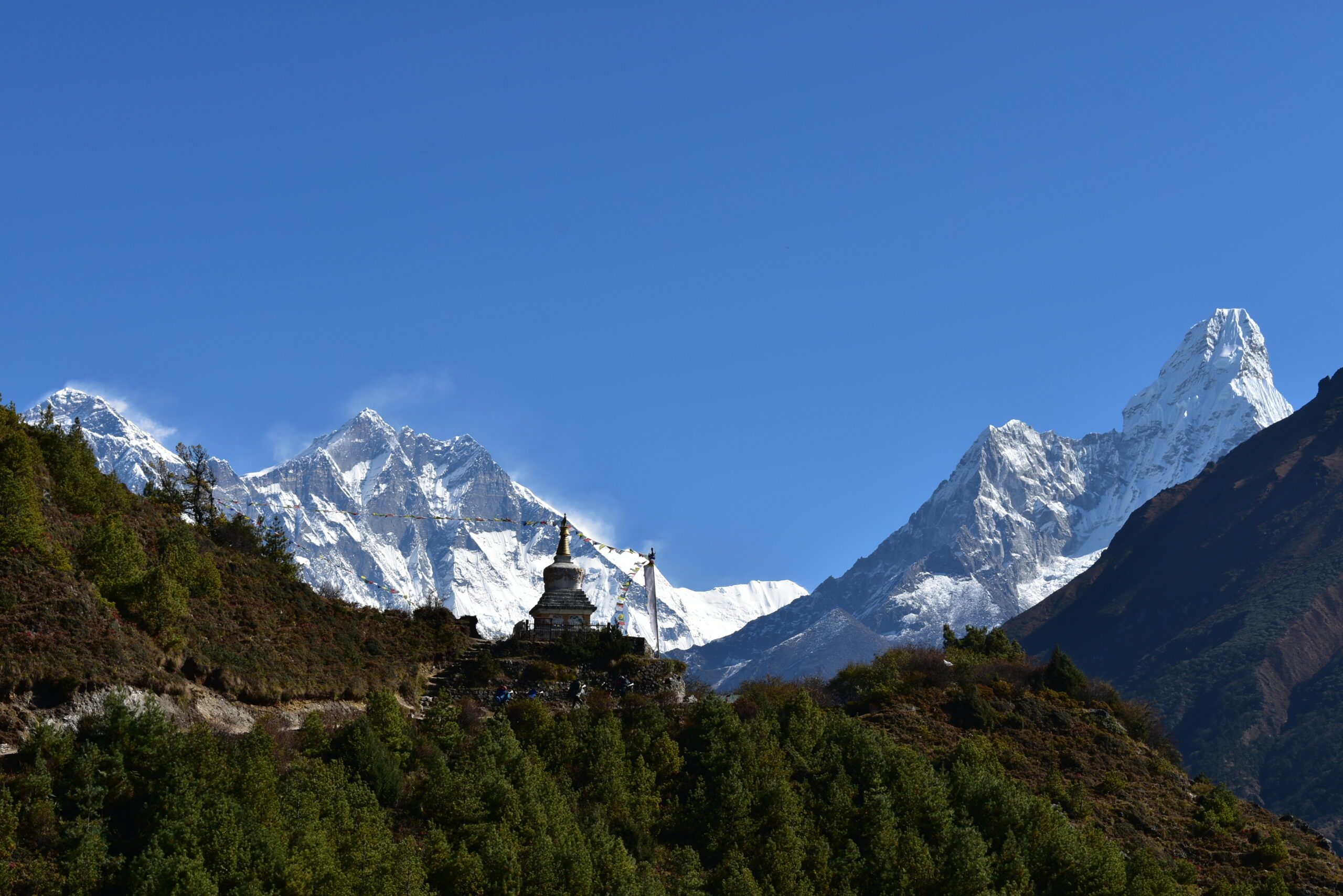
Unique Cultural Experience: The trek takes you through the remote and less-traveled Naar Phu Valley, where you can experience the unique Tibetan culture and lifestyle of the local people. You will get to see traditional Tibetan-style houses, ancient monasteries, and prayer flags.

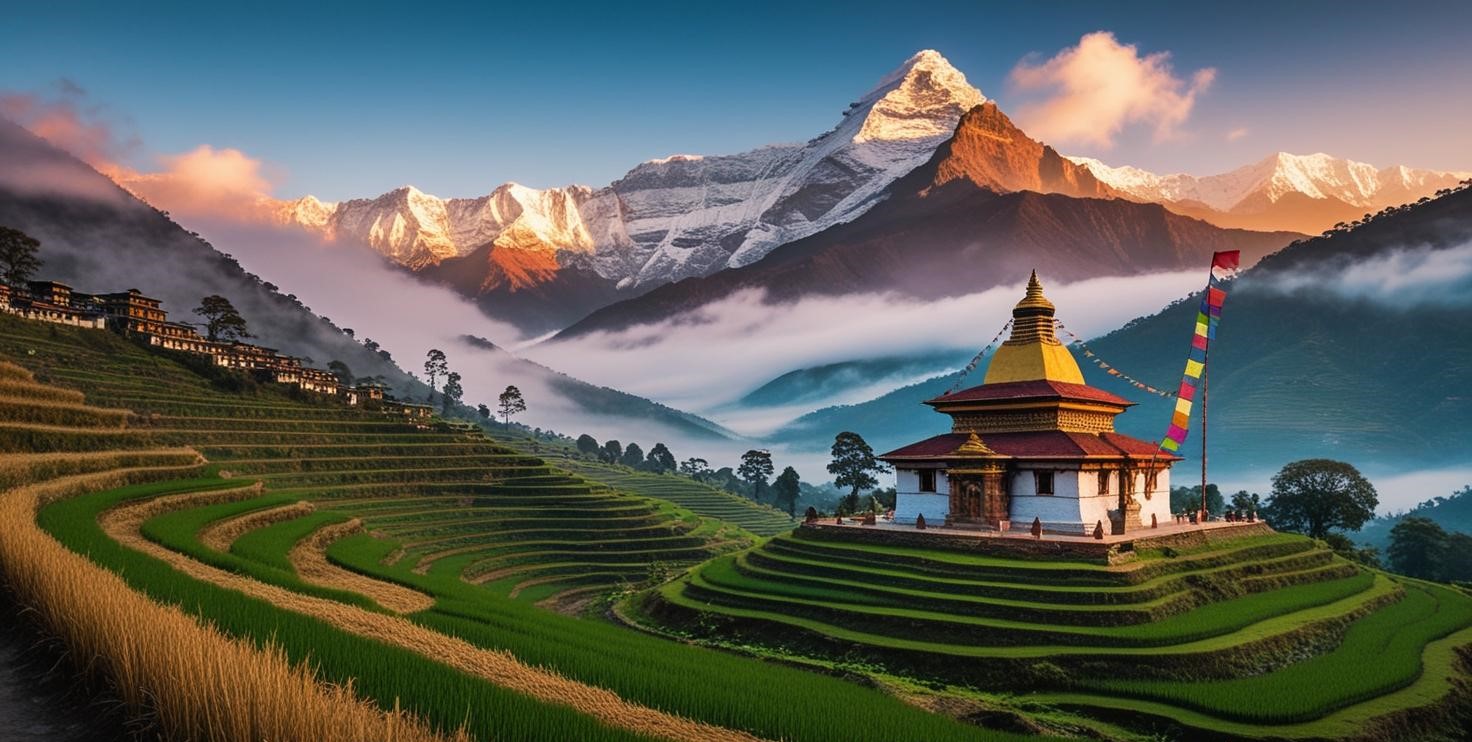
Stunning Landscapes: The trek takes you through diverse landscapes, including lush forests, terraced fields, arid landscapes, and snow-capped mountains. The turquoise blue waters of Tilicho Lake surrounded by the snow-capped peaks make for a breathtaking sight.

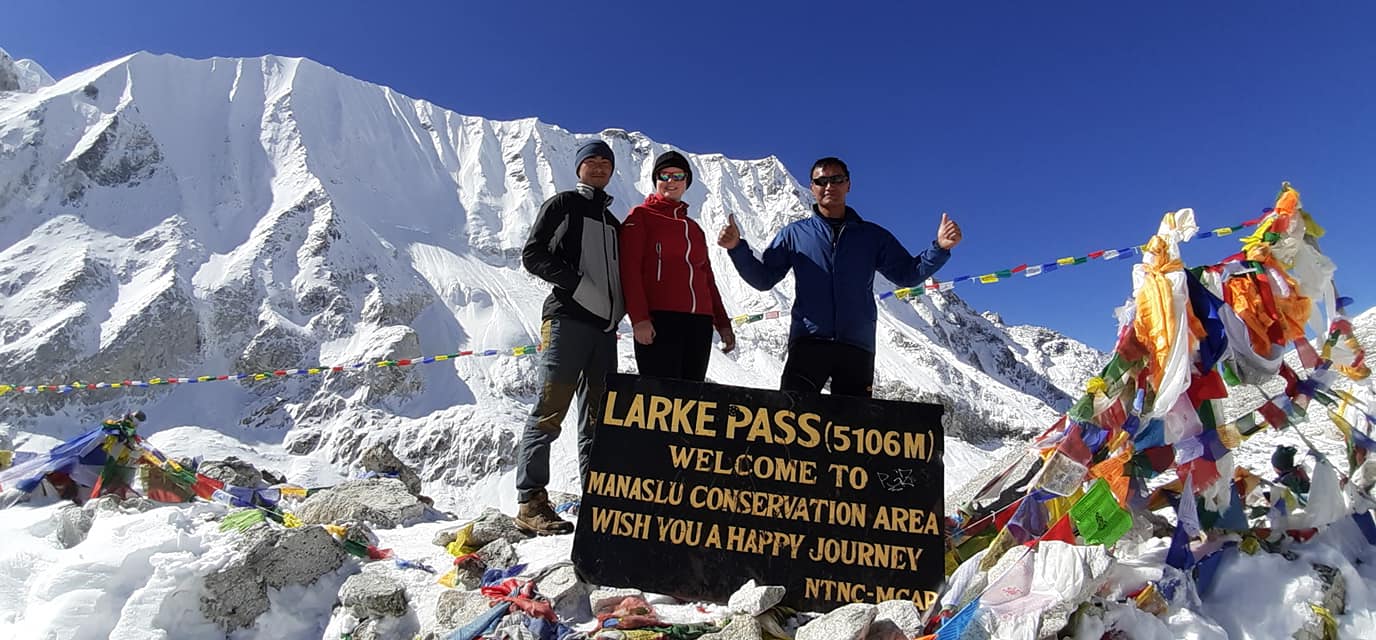
Thorang La Pass: The Thorang La Pass is the highest point of the trek at an altitude of 5,416 meters, and crossing the pass is a challenging and rewarding experience. The views of the surrounding peaks, including Annapurna and Dhaulagiri, are stunning.

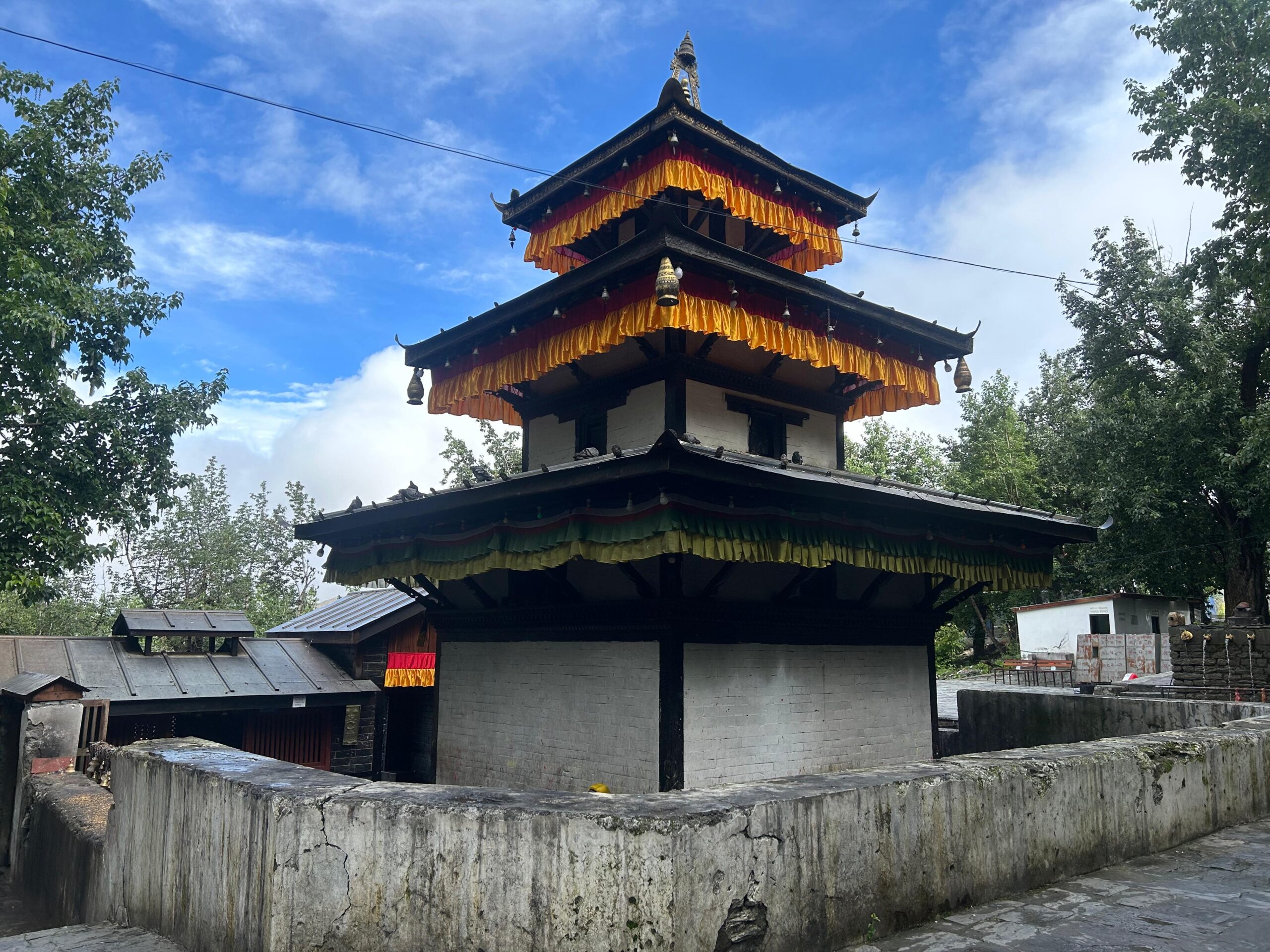
Muktinath: The trek ends at the holy town of Muktinath, which is a pilgrimage site for both Hindus and Buddhists. You can visit the Muktinath Temple, which is dedicated to Lord Vishnu, and take a dip in the holy water spouts.

Wildlife: The Annapurna region is home to a variety of wildlife, including Himalayan Thar, Musk Deer, Snow Leopard, and Blue Sheep. You may also see a variety of birds, including the Himalayan Monal and the Lammergeier.

Overall, the Naar Phu, Tilicho Lake, and Thorang La Pass Trek is a challenging and rewarding trek that offers a unique cultural experience, stunning landscapes, and the opportunity to push yourself physically and mentally.

Is This Trip Suitable For You?

The Naar Phu, Tilicho Lake, and Thorang La Pass Trek is a challenging and strenuous trek, and it is important to assess your fitness level and trekking experience before attempting this trek. Here are some factors to consider:

Fitness Level: This trek involves long days of trekking with steep ascents and descents, and you will be walking at high altitudes. It is important to have good cardiovascular fitness and endurance to be able to complete this trek.

Altitude: The trek reaches altitudes of over 5,000 meters, which can cause altitude sickness. It is important to acclimatize properly to avoid altitude-related illnesses.

Trekking Experience: This trek involves trekking on remote and less-traveled trails, and you may encounter challenging weather conditions. It is important to have prior trekking experience and know basic trekking skills.

Weather Conditions: The weather in the Annapurna region can be unpredictable, with sudden changes in temperature and weather conditions. You should be prepared for cold temperatures, strong winds, and potentially heavy snowfall.

If you have previous trekking experience, good physical fitness, and are able to acclimatize properly, the Naar Phu, Tilicho Lake, and Thorang La Pass Trek can be a rewarding and unforgettable experience. However, if you have any doubts about your fitness level or trekking experience, it is best to consult a doctor or a trekking agency before attempting this trek.

Day To Day Itinerary

  • Arrival On: Kathmandu
  • Departure from: kathmandu

Day 1

After breakfast, you will drive to Besishahar, which takes about 6-7 hours. From Besishahar, you will take a jeep ride to Chamje, which takes about 2 hours. Along the way, you will see the beautiful Marsyangdi River and the Himalayan peaks in the distance. Overnight at Chamje.

  • Time: Departure at 7 am
  • Hotel: Teahouse
  • Meal: Breakfast, Lunch, Dinner
  • Duration: Departure at 7 am
  • Drive: 9 hours drive

Day 2

The trek begins with a climb up to Tal village and then continues through a narrow gorge to Dharapani. You will pass through several traditional villages along the way, and you will have views of the Annapurna and Lamjung Himalayan ranges. Overnight at Dharapani.

  • Hotel: Tea house
  • Meal: Breakfast, Lunch, Dinner
  • Duration: 5-6 hours

Day 3

You will trek through dense forests of oak, pine, and rhododendron, passing through the village of Bagarchhap and crossing several streams. You will reach Koto, a small village that is the gateway to the Naar Phu Valley. Overnight at Koto.

  • Hotel: Teahouse
  • Meal: Breakfast, Lunch, Dinner
  • Duration: 5-6 hours

Day 4

Today, Nar Phu Valley is reached. This is a restricted entry area and requires a special permit.  It is reached following Nar Khola and Greenland forest. The day starts early as there is a lot of distance to cover. The trails take you past cave shelters and pilgrims’ resting places, followed by the wide waterfall. After climbing a steep hill towards the end, you reach Meta.

  • Hotel: Teahouse
  • Meal: Breakfast, Lunch. Dinner
  • Duration: 7-8 hours

Day 5

Unique colorful Tibetan Buddhist chortens decorate the path from Meta. The trail provides excellent views of the magnificent Nar Phedi Monastery. Further trek through scenic canyon and gorges takes you to a monolith guarding the trails to Phu. Just before reaching the village, remains of ruined forts atop flatlands can be observed.

  • Hotel: Tea house
  • Meal: Breakfast, Lunch, Dinner
  • Duration: 7-8 hours

Day 6

Today, you will trek to the Himlung Base Camp, which is located at an altitude of 4,920 meters. From here, you can see the Himlung Himal and other peaks in the region. You will then return to Phu Gaon for the night. Overnight at Phu.

  • Hotel: Teahouse
  • Meal: Breakfast, Lunch, Dinner
  • Duration: 7-8 hours

Day 7

With a well-rested day, you hike along Nar Phedi until reaching Nar Village. Nar Phedi consists of a monastery, and that is it. From Nar Phedi, a winding path up a hill passing through wonderfully painted, bamboo-topped chortens, you reach Nar Village. During the day, especially women are found with back-strap looms. This is for weaving wool fabric used for making rugs and blankets.

  • Hotel: Teahouse
  • Meal: Breakfast, Lunch, Dinner
  • Duration: 7-8 hours

Day 8

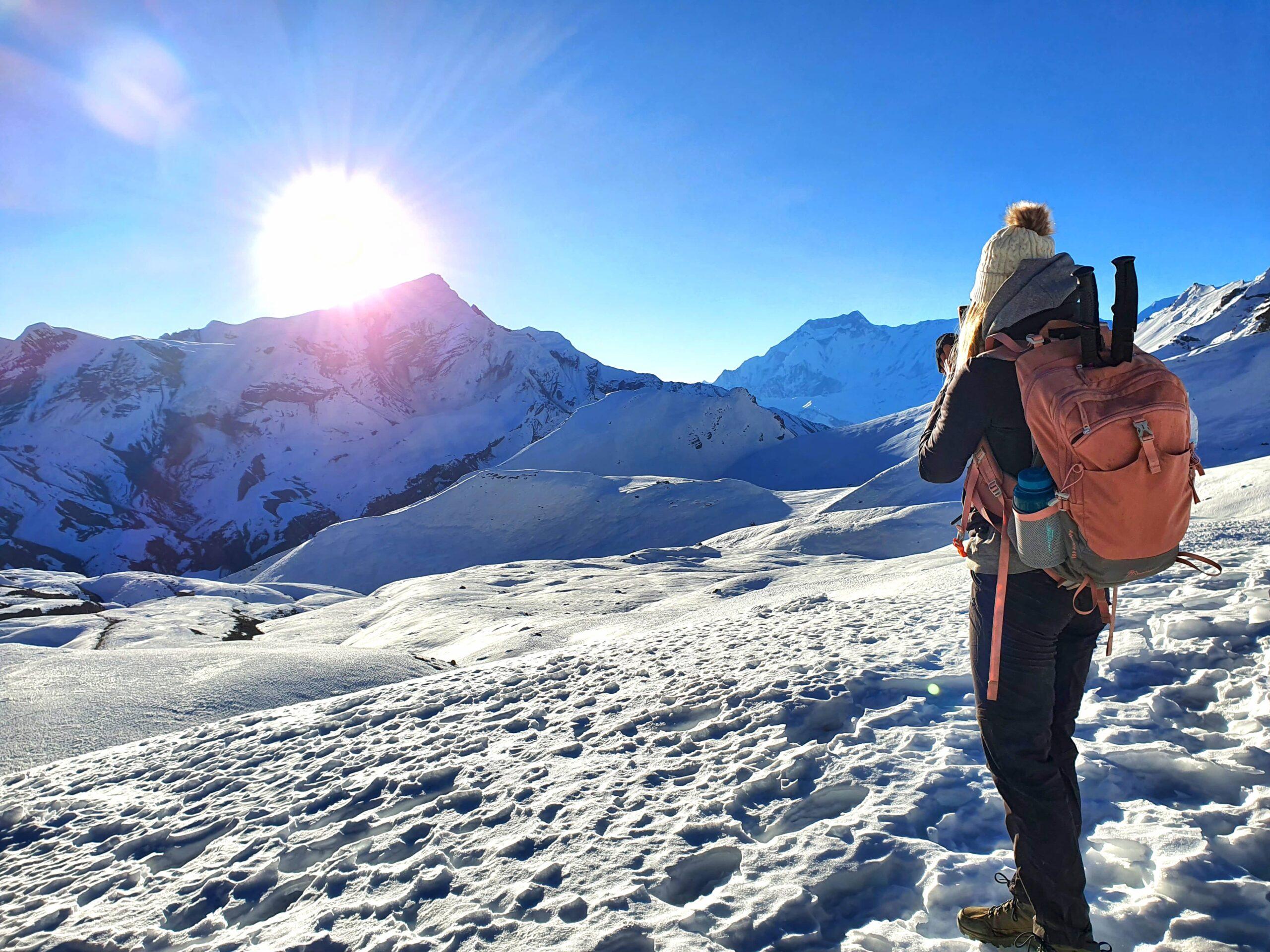
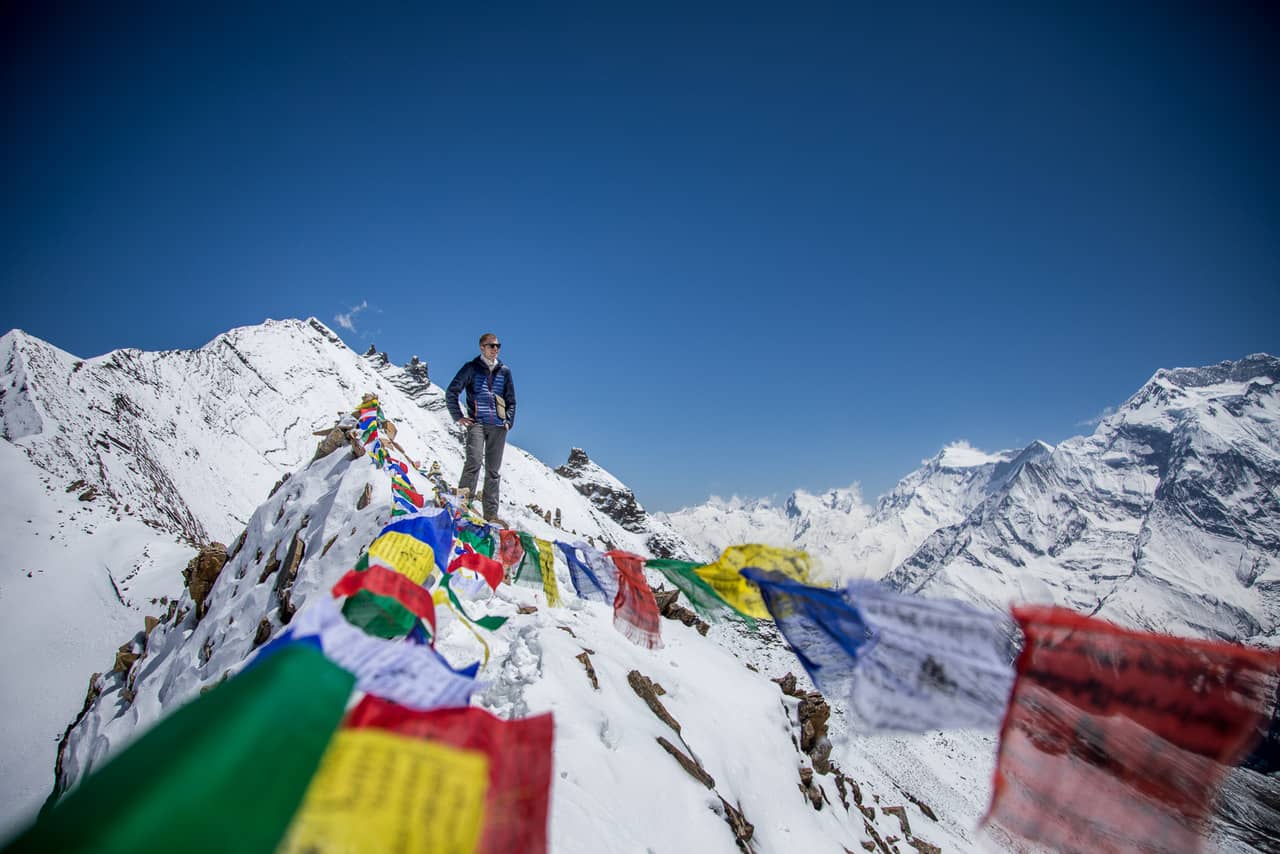
Today begins before sunrise as you make your way towards Kang La Pass. More than 1,000 m/3,280 ft is ascended, but this is not a difficult pass. On top of the pass, views of the Annapurna II (8,091 m/26,545 ft), Gangapurna (7,455m /24,458 ft), and Tilicho Peak (7,134m /23,406ft) welcomes you. Then you descend towards Ngawal. Kang La Pass trek only began in 2003 AD; hence, it is a hidden gem worth exploring.

  • Hotel: Teahouse
  • Meal: Breakfast, Lunch, Dinner
  • Duration: 7-8 hours

Day 9

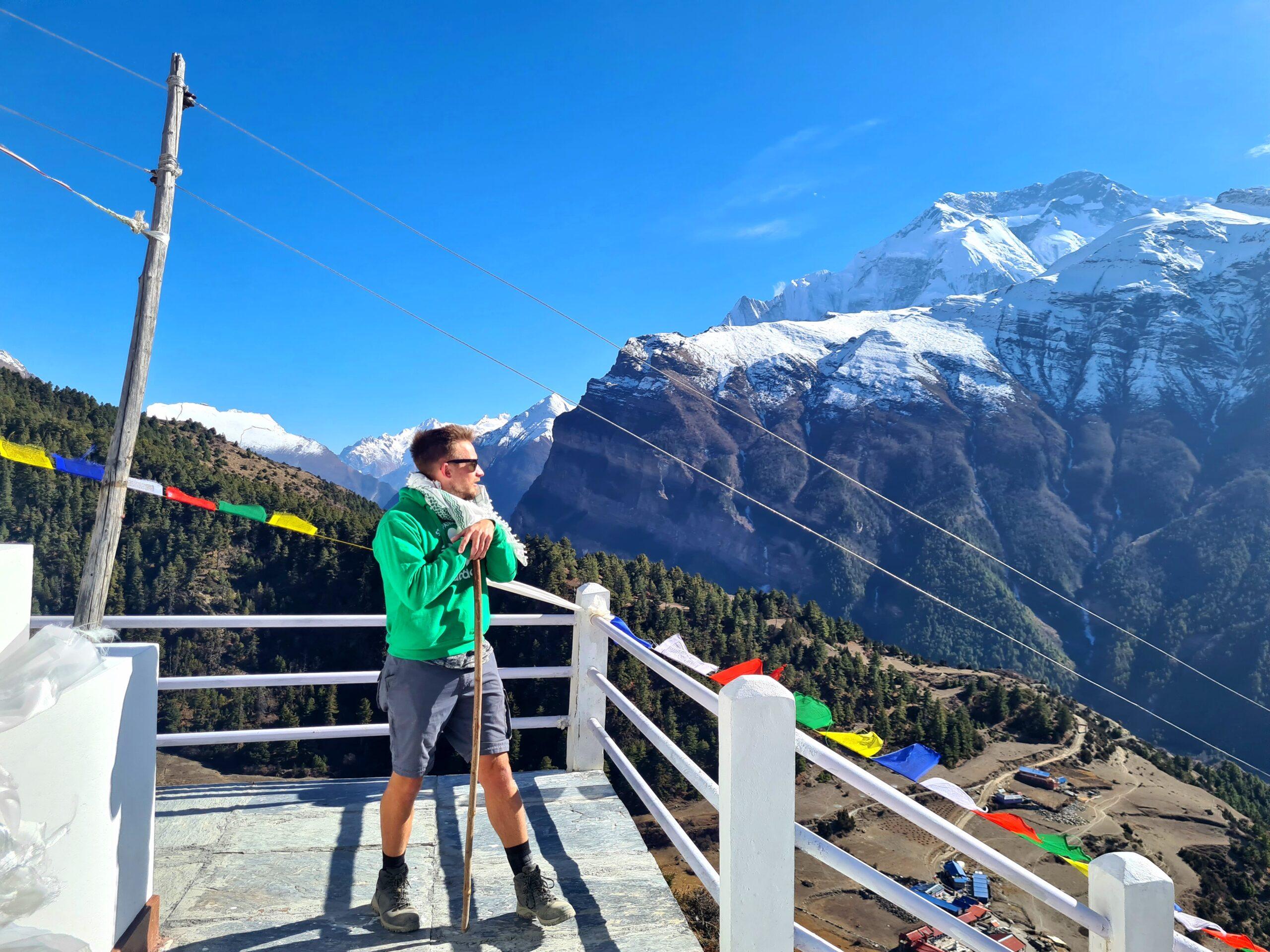
From Ngawal, you trek along Humde, Braka and finally reach Manang. The trail to Humde is a steep descent, and then the trails get gentler. You get a view of rocks sculpted by wind and stunted pines along this trail. The views of several snow-capped peaks, especially of Annapurna ridge, keep you company as you trek along.

  • Hotel: Teahouse
  • Meal: Breakfast, Lunch, Dinner
  • Duration: 4-5 hours

Day 10

A good rest day is warranted at this point. Manang is a livelier destination of the Annapurna Circuit with attractions such as the Gangapurna Lake, Lama Monastery, Ice Lake, etc. It also offers views of Annapurna III (7,555m /24,787ft) and the Gangapurna glacier. If there is any need for antibiotics and painkillers, this is the last stop.

  • Hotel: Guest House
  • Meal: Breakfast, Lunch, Dinner
  • Duration: 5-6 hours

Day 11

From Manang, you take the trails towards the western gate and follow the trail down the river. After crossing the river, you will continue towards the southern side and reach Khangsar village. Finally, passing through a beautiful monastery, you will reach Sri Kharka. The entire trek will have the beautiful backdrop of the Annapurna Range.

  • Hotel: Teahouse
  • Meal: Breakfast, Lunch, Dinner
  • Duration: 5-6 hours

Day 12

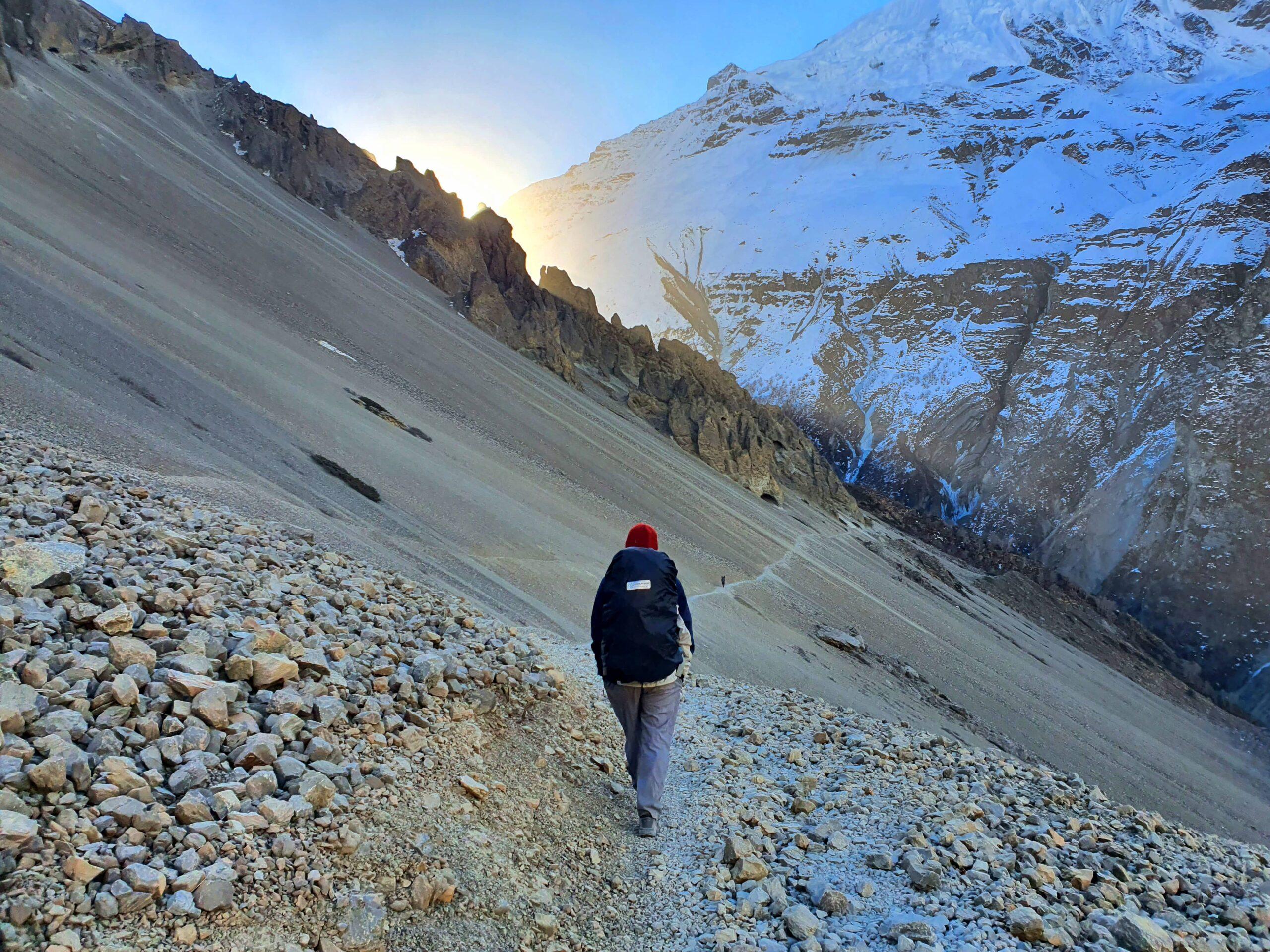
Today starts early, with the trek to Tilicho Base Camp; otherwise, it gets windy. Though rough and a bit tiring as the trek is along narrow paths, the initial climb is well worth it for the beautiful view of Tilicho Lake (4,920m /16,141ft). The trail goes through the middle of the landslide area, providing a view of impressive rock formations.

  • Hotel: Teahouse
  • Meal: Breakfast, Lunch, Dinner
  • Duration: 5-6 hours

Day 13

Today, you finally get to the great Himalayan Lake – the Tilicho Lake (4,920m /16,141ft) nestled at the foot of Tilicho Peak (7,134m /23,406ft). The trail is a bit steep initially and then ascents. Yaks and deer can be spotted grazing along the trail. A lake is also an important place for Hindus. After admiring its beauty, you head back to Sri Kharka. This is a gentle walk.

  • Hotel: Teahouse
  • Meal: Breakfast, Lunch, Dinner
  • Duration: 7-8 hours

Day 14

Trek from Sri Kharka to Yak Kharka is a scenic retreat. It offers amazing viewpoints of Annapurna III (7,555m /24,787ft) and the Gangapurna (7,455m /24,458ft). The trail follows along the beautiful Marsyangdi River. Herds of mountain goats can be found grazing along the trail.

  • Hotel: Teahouse
  • Meal: Breakfast, Lunch, Dinner
  • Duration: 5-6 hours

Day 15

This day you hike on the lower part of Thorong La Pass, Thorong Phedi. It is a small, beautiful, and busy village. The trail passes through plateau shaped barren desert, and high peaks keep you company as you trek along. The trail is flat with a gradual ascend. Overnight at Phedi.

  • Time: 5-6 hours
  • Hotel: Tea house
  • Meal: Breakfast, Lunch, Dinner
  • Duration: 5-6 hours

Day 16

Today, you ascend to the final pass of the trek. Over 1,000m /3,280ft of altitude is gained, making for a cold and challenging hike. However, the view at the top will make it worth your while as you get to gaze at the high peaks of the Himalayas. Enjoying this view, you descend to Muktinath.

  • Time: 8-9 hours
  • Hotel: Tea house
  • Meal: Breakfast, Lunch, Dinner
  • Duration: 8-9 hours

Day 17

Having come this far along, you will need to visit Muktinath temple. It is one of the most important temples of Hindus and Buddhists. The temple is known to provide salvation from the sins of life. After this pilgrimage visit, you pace down to Jomsom. First, there is a climb to Lubra Danda and a walk down to a scenic Thakali village – Lubra village. Then you pace your way down to Jomsom.

  • Hotel: Teahouse
  • Meal: Breakfast, Lunch, Dinner
  • Duration: 6-7 hours

Day 18

From Jomsom, you will fly to Pokhara. After such a long trek, you might need a long hot shower and rest. You can have it all at Pokhara. The city has a great selection of food and fun nightlife. It also boasts high-quality spas, yoga, and other relaxation treatment. This luxury has been rightly earned after such an adventurous trek.

  • Hotel: Hotel Crystal palace or Similar
  • Meal: Breakfast | Lunch
  • Duration: 25 Minutes

Day 19

Finally, with the trek over, you head back to Kathmandu. Driving from Pokhara to Kathmandu takes around 7 hours and covers a distance of 200 km/125 mi. The road passes through hilly and winding terrain. Scenic views of hills, mountains, villages are offered while driving. After the drive, a final night at Kathmandu awaits, perfect for a cultural event or trying out some local Newari cuisine.

  • Hotel: Hotel Moonlight or similar
  • Meal: Breakfast
  • Duration: 7 hours
  • Drive: 200 km

If you want to refine your itineraries, tell us. We will organize treks based on your interests. Customizing becomes easy while undertaking private treks.

What's Included

  • Free Welcome and transfer to Kathmandu airport
  • Best available clean and comfortable Teahouse accommodation during the trek
  • Welcome and Farewell dinners
  • All meals (breakfast, lunch and dinner) excluding drinks and extras
  • Domestic flights (Jomsom – pokhara)
  • Stay in Pokhara for 1 Night (accommodation, food, visits, transport…)
  •  Private transport from kathmandu to Chamje and Pokhara to kathmandu ( Fly, Local bus will be available on request)
  • An English-speaking trekking guide (others-speaking on request extra cost), his salary, transport, food, accommodation, and insurance
  • A porter (for two people), his salary,transport,food & accommodation,insurance.
  • All necessary paper works; trekking permits ( ACAP, special permit for Naar Phu) and TIMS Permits
  • First Aid kit, Pulse Oximeter and essential medicines (Paracetamol, Diamox etc.) carried by the Trek guide
  • All Local and Government taxes, administrative charge.

What's Not Included

  • Round-trip flight from your country of origin
  • Nepalese visa
  • Insurance and medical evacuation in case of emergency
  • Stay in Kathmandu (accommodation, food, visits, transport…)
  • Possible paid sites to visit during the trek
  • Equipment for trekking (sleeping bag, hiking boots, etc.)
  • Personal expenses during the trek (drinks, shower, electricity, internet…)
  • Tips for the home team

Meals

During the Naar phu Annapurna circuit via Tilicho lake  , we can enjoy authentic Nepalese food as well the more common international cuisine (Tibetan, Continental, Italian, Indian, etc.). Breakfast and dinner will be served from the tea-houses or from a lodge menu where we spend the night whereas lunch will be served on the way to the next destination. All meals will be provided during trekking while only breakfast will be available while in Kathmandu and Pokhara. There will also be welcome and farewell dinners for guests.

Best Season to Travel

Spring (March to May) and autumn (mid-September to November) are usually considered the best seasons for trekking in the Annapurna region. During these months, the weather is dry and clear, making it ideal for hiking and unobstructed scenic mountain viewing of the landscapes. The days are warm, and the nights are cool. On the downside, these are peak seasons, so the trails become crowded and busy.

The trail of the Annapurna region winds through a pristine forest teeming with wildflowers and orchids in spring. Walking through the hills covered with wildflowers against the backdrop of the majestic Himalayas will feel lovely.

Autumn is the most popular season and optimal for trekking in the Annapurna region. After the settling of dust and impurities after the rainy season, you can enjoy crystal clear views of the landscapes. The conclusion of the wet monsoon season clears the skies of dust and contaminants, allowing you to enjoy crystal-clear views. Trekking in late September or October allows you to experience Nepal’s most important festivals, Dashain and Tihar. These festivals are celebrated by the Ghales, Gurungs, Brahmins, Newars, and Nepalese all over the world. During these festive seasons, you can see the festive environment all over Nepal.

The winter season in Nepal is from late November to February. This season, a lesser number of travelers are seen due to the cold weather. Nonetheless, this season is ideal for the brave and travellers who want to experience the trek with lesser crowds. Trekking in the mountainous region during these months gives you cultural insights into the Buddhist villages.

If you want to refine your itineraries, tell us. We will organize treks based on your interests. Customizing becomes easy while undertaking private treks.

Date & Price

Start Date End Date Total Person Price From
November 3, 2026 November 21, 2026 15 $1990
November 10, 2026 November 28, 2026 15 $1990

Altitude Sickness & Acclimatization:

The Annapurna Region includes high-altitude treks, with some routes reaching over 5,400m. Thorong La Pass(5,416m), Kang La Pass (5,320) m are some of the highest passes in the Annapurna Region. At these high altitudes, oxygen levels drop, which can lead to altitude sickness (AMS).

To acclimatize properly:

  • Walk at a steady pace and stay hydrated.
  • Take rest days at key points, such as Manang on the Annapurna Circuit.
  • Be aware of AMS symptoms: headache, nausea, dizziness, and fatigue.
  • If symptoms worsen, descend immediately and seek medical help.
  • In severe cases, helicopter evacuation to Kathmandu may be needed.

Drinking Water:

Staying hydrated is crucial while trekking as severe dehydration may also cause AMS. Drink at least 3-4 liters of fluid daily. Bottled water is available at teahouses, but it is expensive and contributes to plastic waste.

Better alternatives include:

  • Carry a reusable bottle with a filtration system like LifeStraw.
  • Using water purification tablets or a SteriPEN.
  • Buying boiled water from teahouses (extra cost applies).

Internet Connectivity:

Internet Connectivity differs from place to place. While internet connectivity and network towers may experience irregular connection and lags. Wi-Fi is available at most teahouses, but it can be slow and costly. Some lodges charge per hour or device. You can also use local SIM cards (NTC or Ncell), which provide good mobile data coverage in lower areas, but connectivity might weaken at higher altitudes.

For a more reliable internet connection, you can buy an Everest Link prepaid Wi-Fi card, available at teahouses along the trekking routes. Overall network connection can be found in most of the places on this trek

Packing Checklist for the Annapurna Trek:

Packing smart is key for a successful trek in the Annapurna region. You don’t need fancy gear—just the right essentials to keep you comfortable and prepared. Here’s what you should bring:

  • Sturdy trekking boots with good grip and ankle support.
  • Backpack (30-40L) with a rain cover.
  • Comfortable trekking pants and waterproof trousers.
  • Lightweight t-shirts, and a long-sleeve shirt.
  • Insulated down jacket.
  • Windproof and waterproof outer shell.
  • Fleece jacket or warm mid-layer.
  • Thermal base layers (top and bottom).
  • Good-quality trekking socks and underwear.
  • Sun hat, woolen cap, or balaclava.
  • Lightweight gloves and insulated gloves.
  • Headlamp with extra batteries.
  • Sunglasses with UV protection.
  • Sunscreen, lip balm, and personal hygiene items.
  • Quick-dry towel, flip-flops, and toiletries.
  • Reusable water bottle and water purification tablets.
  • Sleeping bag (suitable for -10°C to -20°C).
  • Sleeping bag liner for extra warmth.
  • Trekking poles (optional but helpful).
  • First-aid kit with personal medications.

Most trekking gear is available for rent or purchase in Kathmandu, especially in Thamel. To keep your load light, bring only the essentials and get the rest there. Many hotels also offer free storage for extra luggage, but make sure to always use a lock for security.

Entry Permits & Requirements:

Trekkers need permits to enter the Annapurna Conservation Area. These are arranged by trekking agencies or can be obtained in Kathmandu or Pokhara.

The required permits are:

  • Annapurna Conservation Area Permit (ACAP)
  • TIMS (Trekkers’ Information Management System) Card

Permit Fees:

  • Naar phu Valley : USD 100 per person for 7 days
  • ACAP Entry Permit: NPR 3,000 for foreigners, NPR 1,500 for SAARC nationals, NPR 100 for Nepali citizens.
  • TIMS Card: NPR 2,000 for individual trekkers, NPR 1,000 for group trekkers, NPR 300 for SAARC nationals.

To get these permits, you’ll need:

  • Passport (original and copies)
  • Passport-sized photos
  • Trek itinerary and duration
  • Entry and exit points
  • Emergency contact details
  • Travel insurance information

Travel Insurance:

Trekking in the Annapurna region takes you to altitudes above 5,000 meters, where the risk of altitude sickness and other emergencies increases. A good travel insurance policy is a must.

Make sure your insurance covers:

  • High-altitude trekking (above 5,000m)
  • Emergency helicopter evacuation
  • Medical treatment and hospitalization
  • Trip cancellations, lost baggage, and flight delays

Even with precautions, emergencies can happen, so check your policy thoroughly before your trip.

Responsible Travel:

Trekking responsibly is important to protect the Annapurna region’s natural beauty and local communities. Here’s how you can contribute:

  • Avoid plastic bottles—use a reusable water bottle and purification tablets.
  • Dispose of waste properly—carry a small bag for personal trash.
  • Support local businesses—buy local products and respect cultural traditions.
  • Stay on marked trails to prevent erosion and protect wildlife habitats.

We partner with eco-friendly service providers and support sustainable tourism initiatives. As members of KEEP (Kathmandu Environmental Education Project), we actively promote environmental conservation and responsible trekking practices.

By choosing to trek with Corporate Adventure Treks, you’re not just exploring the mountains—you’re supporting the people who call them home.

Guides & Porters:

The Annapurna trek offers a challenging trails, high passes, and unpredictable weather. Having an experienced local guide is invaluable for navigation, safety, and cultural insights.

Our trekking groups are led by licensed guides with years of experience in the Annapurna region. For every 10 trekkers, we provide an assistant guide for additional support. Porters help carry luggage, with one porter assigned to two trekkers (each carrying up to 30kg). Keep your baggage under 15kg to make it manageable.

We believe in fair treatment for our staff. All guides and porters receive fair wages, proper gear for the mountains, and insurance coverage. We follow the ethical guidelines of the International Porter Protection Group (IPPG) to ensure their well-being. A portion of our booking fee also supports the education of our staff’s children.

Typical Day:

A typical trekking day begins with breakfast at the lodge around 7–8 am. You will hike for 3–4 hours, followed by a lunch break along the trail around mid-day. The afternoon walk is generally shorter, lasting 2–3 hours, before reaching the overnight lodge. After reaching the lodge, you are free to explore the nearby areas. Dinner is around 6–7 pm, followed by a briefing about the next day’s plan from your trek guide. After this briefing, you can spend your time playing games, socializing, or watching videos before going to bed.